



You don’t need a street address or a credit card to shop on Amazon anymore—at least not in West Africa.
A growing wave of local package-forwarding startups is solving the two biggest headaches of African e-commerce: a massive population of unbanked buyers and cities without formal street addresses.
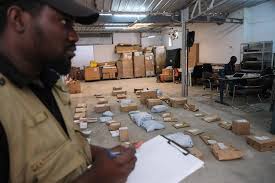
Startups like Senegal’s Afrety are leading the charge. Afrety gives local shoppers virtual delivery addresses at warehouses in France, the US, and China. When a customer buys something online, the package goes to one of those hubs, gets repackaged, and flies straight to West Africa.
For payment, buyers completely bypass traditional credit cards. Instead, they use mobile money accounts that they can easily top up with cash at local street kiosks. Once the packages land in cities like Dakar, dispatch riders use GPS coordinates to navigate directly to the customer’s doorstep.
While global logistics giants like Aramex are expanding their footprint to chase this boom, local platforms like Jumia are staying competitive by adapting their networks to rural areas. Despite internet access reaching only 43% of the continent, this middleman economy is quietly transforming how millions of African consumers buy from the world’s biggest brands.
