



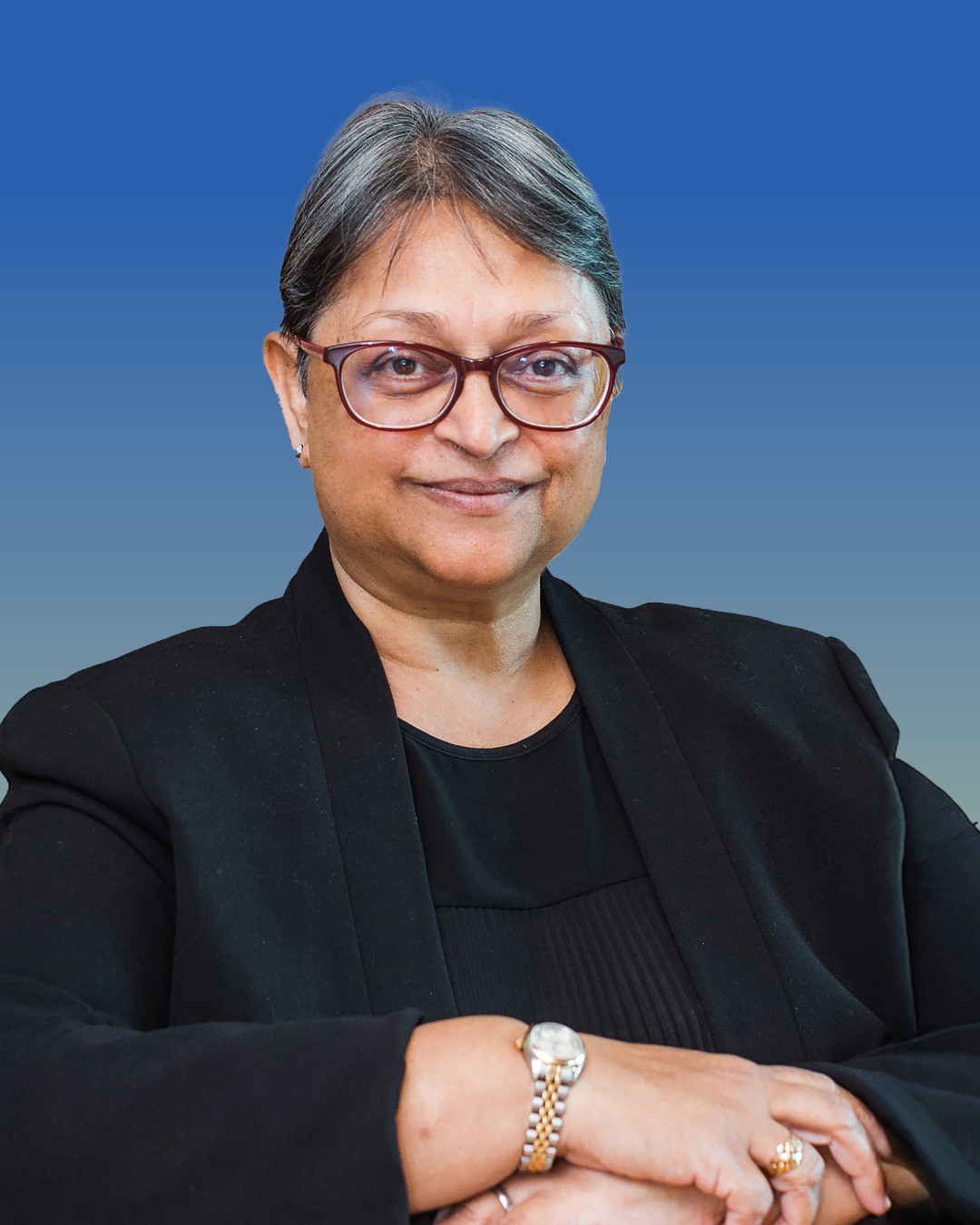
Nicky Newton-King, former Chief Executive Officer of the Johannesburg Stock Exchange (JSE), has opened up about her journey to the top of Africa’s largest stock exchange, reflecting on the privilege of leadership, the mentors who supported her, and the responsibility leaders bear to create enabling environments for others—particularly women.
Building Muscle Before the Top Job
Speaking about her ascent, Newton-King noted that she had spent many years at the JSE, earning her stripes alongside a strong executive team long before she assumed the CEO role. She described herself as “very lucky” to have had an extraordinary opportunity to explore the business and position the JSE globally, with unwavering support from her predecessor, Russell Loubser.
Having served as Deputy for eight years before her appointment, she reflected on two key aspects of that transition:
“The first is you stand out then from your peers, and so you have to be true and honest and authentic to what you were. At the same time, there was this unique opportunity to take advantage of the moments that the JSE, and the country, was experiencing when I took over… you have a privilege of leading an institution like the JSE, which is at the center of the South African economy, and to do something unique with it.”
A Sisterhood of Support
Newton-King acknowledged that she did not feel isolated as a female leader, thanks to the extraordinary women in South African business who took her under their wings.
“At the time I was very lucky that there were some extraordinary women in South African business who took me under their wings, helped me, were sort of quiet places of confidence… so I didn’t actually feel lonely as a female leader,” she said.
She specifically cited Maria Ramos, Wendy Lucas-Bull, and Gill Marcus—senior women who had gone before her and took particular care to ensure she felt supported on her path.
Progress and the Next Challenge
The JSE recently announced the appointment of Valdene Reddy as CEO, following the retirement of Dr Leila Fourie, who took over from Newton-King in late 2019.
According to the 2024 South Africa Spencer Stuart Board Index, which covers governance practices in the 50 largest companies on the JSE by market cap, 60 percent of boards have at least one woman who is either the chair, CEO, CFO, or another executive director. The report also shows that 37 percent of all directors are women, and 40 percent of non-executive directors are women.
Further progress is reflected in the Women in Business 2026 report by SNG Grant Thornton, which states that South Africa has 47.3 percent women in senior management—higher than the global average of 32.9 percent—with the country approaching leadership parity.
“Notably, South Africa is also one of the few countries globally reporting no businesses with all-male senior management teams, reflecting strong structural progress in inclusive leadership,” said Agnes Dire, Board Chairperson of SNG Grant Thornton, in the report.
“The next challenge is ensuring that representation translates into executive authority and influence in roles that shape capital allocation and strategic direction.”
The Leader’s Responsibility
Newton-King reiterated that leaders have a particular responsibility to ensure that the path ahead for everyone in a business—and particularly for women—is enabling.
“When you bring people—anybody into a business—you have to create a space for them to succeed… you’ve got to create a space where people can be the best that they can be, and that requires a lot of deliberateness,” she said.
