



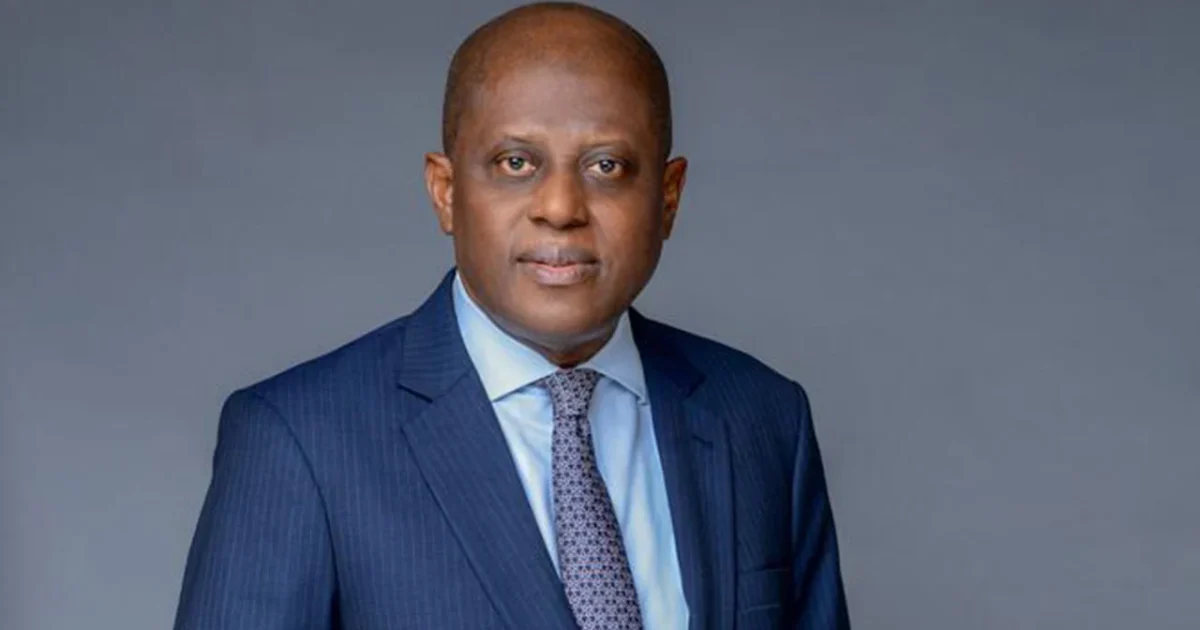
Central Bank of Nigeria Governor, Olayemi Cardoso, has issued a clarion call for African nations to tap into their vast domestic financial resources—pension funds, insurance reserves, local savings, and diaspora remittances—to finance the continent’s industrial transformation and create sustainable employment.
Speaking at the Emerging Markets Forum in Abuja, Cardoso painted a sobering picture of the current global capital landscape. “Capital has become selective and impatient,” he warned, stressing that the shifting international economic order demands a fundamental rethink of development strategy for emerging economies.
His address comes at a time when African governments are grappling with tightening global financial conditions, escalating borrowing costs, dwindling foreign direct investment, and intensifying competition for finite international capital.
A Pools of Untapped Wealth
Yet even as external funding sources dry up, institutional investors across Africa are managing ever-expanding pools of long-term savings. According to the African Development Bank, the continent’s pension industry has experienced significant growth over the past decade. South Africa leads the pack, while Nigeria, Kenya, Botswana, and Namibia continue to see their long-term institutional savings swell—creating a reservoir of domestic capital that economists argue could be redeployed for infrastructure and industrial development.
Invest in Africa, Not Just Extract
Cardoso emphasized that while attracting foreign investment remains important, African governments must shift their focus toward capital that builds productive capacity rather than merely extracting natural resources.
“We must also seek foreign investment that creates jobs, transfers technology, develops local suppliers, and strengthens African businesses—not investment that simply extracts value and leaves,” he declared.
His remarks arrive as African nations increasingly seek to capture greater value from their vast reserves of critical minerals essential for electric vehicles, batteries, and clean energy technologies. Policymakers are now advocating for local processing and manufacturing instead of the traditional raw material export model.
Stability as the Foundation
Cardoso stressed that macroeconomic stability remains the bedrock for sustainable industrialization. He pointed to Nigeria’s recent reform trajectory—exchange rate liberalization, tighter monetary policy, enhanced foreign exchange market transparency, and the cessation of monetary financing for fiscal deficits—as proof that tough policy choices can restore investor confidence.
“Credibility is built intentionally, one right decision after another,” he said.
Regional Integration and Human Capital
Looking ahead, Cardoso argued that Africa’s long-term competitiveness hinges on more than just stable economies. It will require deeper regional integration through the African Continental Free Trade Area (AfCFTA), greater investment in youth and women, and a deliberate effort to equip the workforce for a future increasingly shaped by artificial intelligence.
A Moment of Opportunity
Cardoso concluded on an optimistic note, asserting that Africa now has a historic window to transition from a passive participant in the global economy to an active architect of its future.
