
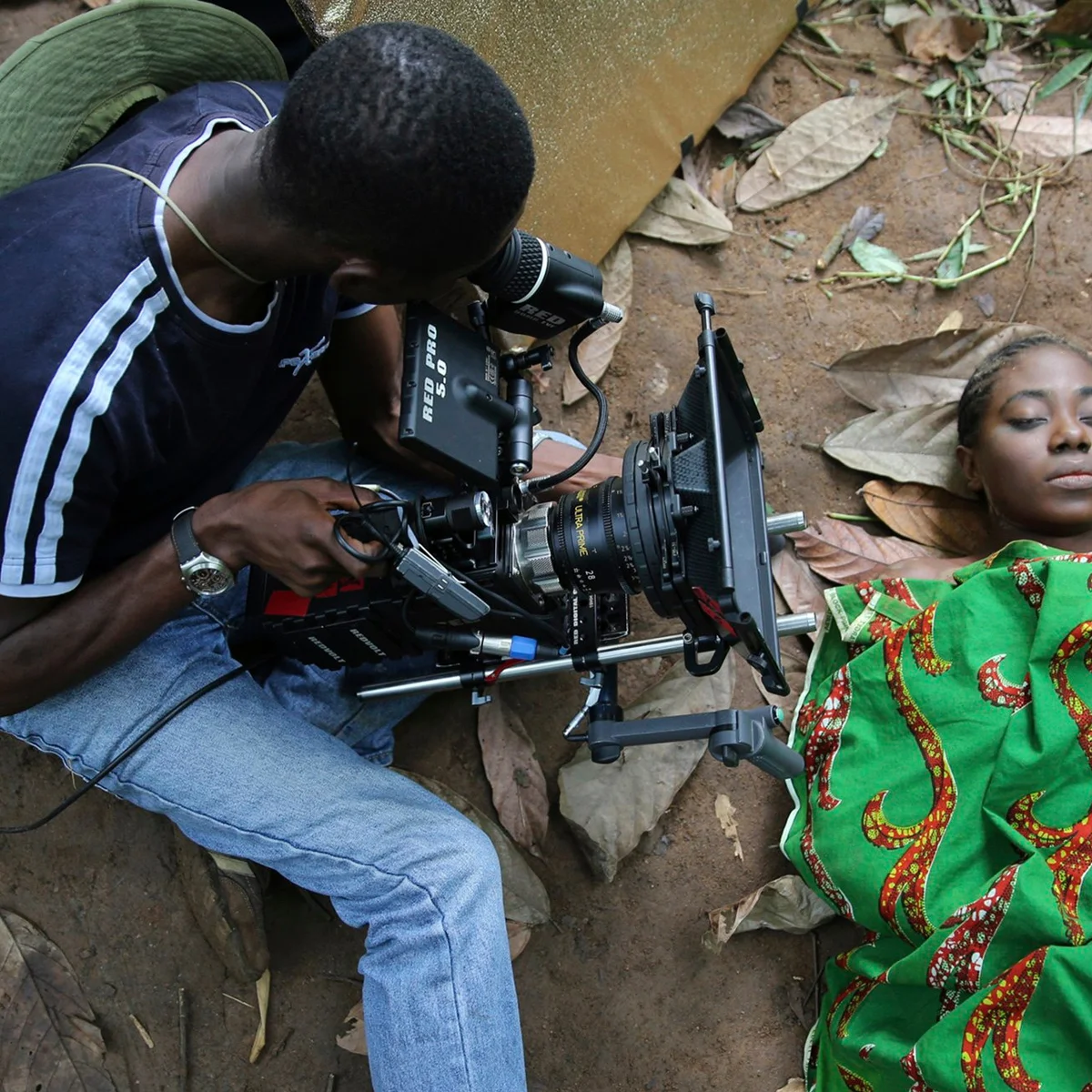
Nollywood’s influence on Nigeria’s economy goes far beyond the actors appearing on screen. Behind every movie is a network of professionals and businesses whose livelihoods depend on the country’s massive film and entertainment ecosystem.
From writers and directors to editors, cinematographers, makeup artists, costume designers and sound engineers, film productions create opportunities for workers across a wide range of professions.
The industry’s economic footprint stretches even further outside the production set.
Transport operators move actors and equipment, hotels accommodate production crews, caterers provide meals, equipment companies supply cameras and lighting gear, while marketers and digital creators help films reach audiences.
That makes Nollywood an important part of Nigeria’s wider creative economy and a source of income for thousands of people working directly and indirectly around film production.
Financing remains a major challenge
Despite the opportunities created by the industry, access to capital remains one of the biggest obstacles facing creative entrepreneurs.
Producing competitive films requires significant spending on equipment, locations, talent, post-production, marketing and distribution. For smaller production companies, securing enough funding to cover those costs can be difficult.
Government-backed financing programmes have therefore become an important part of efforts to strengthen Nigeria’s creative industries.
The Creative Industry Financing Initiative (CIFI), introduced by the Bank of Industry in partnership with the Central Bank of Nigeria, provides financing support to businesses operating in sectors including film, fashion, music and information technology.
For filmmakers, access to financing can help fund equipment purchases, improve production standards and give businesses the resources needed to expand.
The broader objective is not simply to finance individual productions, but to encourage businesses within the creative sector to become more sustainable and create additional employment.
Training the next generation
Funding is only one part of the challenge. As Nigeria’s entertainment industry expands, young people also need the skills and networks required to turn creative ability into sustainable careers.
Several organisations have developed programmes aimed at helping emerging entrepreneurs and creatives build those skills.
The Tony Elumelu Foundation, for example, provides entrepreneurship training, mentorship and funding to African entrepreneurs, including founders operating in creative industries.
In Lagos, creative-sector initiatives have also provided training for aspiring filmmakers, actors and content creators, helping participants gain practical experience relevant to the entertainment industry.
The Africa International Film Festival (AFRIFF) has similarly created opportunities for filmmakers through workshops, masterclasses and networking programmes that connect emerging talent with established professionals from Nigeria and other parts of the world.
Such programmes can help bridge the gap between creative talent and commercial opportunity.
Nollywood’s impact reaches beyond film
The industry’s economic influence becomes clearer when the businesses surrounding film production are taken into account.
A production may require accommodation for an entire crew, transportation between multiple locations, food suppliers, clothing and styling services, photography, security and technical equipment.
When films travel to different locations, local businesses can also benefit from spending by production teams and visitors.
The growth of streaming platforms and digital distribution has further expanded the potential market for Nigerian productions, giving filmmakers opportunities to reach audiences outside the country.
UNESCO has highlighted the broader potential of Africa’s film and audiovisual sector, noting that stronger investment could unlock millions of jobs and generate significant economic value across the continent.
Nigeria’s experience with Nollywood provides one of the clearest examples of how a creative industry can develop into a wider economic ecosystem.
Turning creativity into livelihoods
For many young Nigerians, the appeal of Nollywood is therefore not limited to becoming an actor or filmmaker.
The industry creates pathways into technology, marketing, fashion, photography, logistics, hospitality, design and a growing number of digital professions.
As the sector expands, each new production can generate demand for businesses and workers that may have little connection to acting itself.
However, challenges remain. Limited access to financing, infrastructure constraints and the cost of producing high-quality content continue to affect many businesses within the industry.
Addressing those challenges could allow more creative entrepreneurs to scale their operations and create longer-term employment.
Nollywood has already demonstrated that entertainment can become an economic force. With stronger investment, training and access to finance, Nigeria’s film industry has the potential to create even more opportunities while strengthening businesses across the wider creative economy.
The industry’s future, therefore, may be measured not only by the number of films released or audiences reached, but also by the number of Nigerians able to build sustainable livelihoods around the business of storytelling.
