



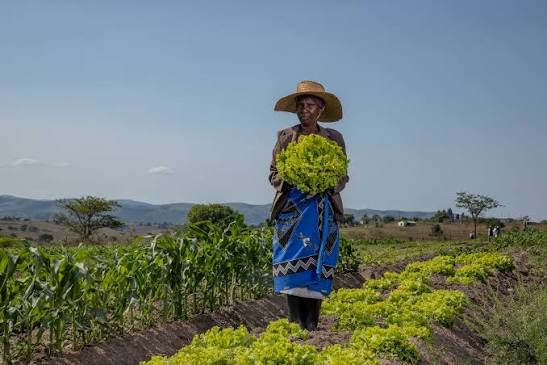
For Phiwayinkhosi Mavuso, founder and CEO of Greenhill Estates PTY Ltd, farming is about more than just putting seeds in the ground. It’s about building an ecosystem—one where quality preservation, waste reduction, and market access are just as critical as cultivation itself.
That philosophy has driven Mavuso to transform Greenhill Estates from a traditional farming operation into a modern, export-oriented agribusiness that serves Eswatini’s domestic market while positioning itself for international expansion. The company currently produces high-grade vegetables for local consumers, but its sights are firmly set on exporting fresh fruit, baby vegetables, and conventional produce that meet rigorous global standards.
Sustainability as a Business Strategy, Not a Buzzword
Mavuso understands that today’s agricultural landscape demands more than bumper harvests. Resilience is the name of the game. To that end, Greenhill Estates has launched an ambitious reforestation and orchard development program, planting 10,000 subtropical fruit trees annually—including avocado, mango, and litchi varieties—across roughly 100 hectares of land.
This initiative serves a dual purpose. On one hand, it builds a pipeline of export-quality fruit for lucrative international markets. On the other, it actively sequesters carbon, proving that commercial agriculture can be a force for environmental good rather than environmental degradation.
But Mavuso isn’t stopping at trees. The company has also invested in a fully equipped packhouse and cutting-edge post-harvest preservation systems, including blast freezers. These technologies slash food waste and ensure that produce retains the freshness and quality demanded by sophisticated commercial buyers. The message is clear: competitiveness in agriculture depends as much on infrastructure and logistics as it does on farming know-how.
The Tony Elumelu Foundation Catalyst
A pivotal moment arrived in 2019, when Mavuso was selected for the prestigious Tony Elumelu Foundation Entrepreneurship Programme. The $5,000 in seed capital, intensive business training, mentorship, and access to a vast pan-African network of entrepreneurs proved transformative.
With that support, Greenhill Estates graduated from serving informal local markets to building a commercially viable operation capable of courting larger, more demanding customers. Perhaps more importantly, the program hardened the company’s internal systems, creating a solid foundation for sustained expansion while generating meaningful employment opportunities for Eswatini’s youth.
Why This Matters for Africa’s Agricultural Future
Africa’s agricultural potential is immense—but unlocking it requires entrepreneurs willing to go beyond production and invest in standards, processing, and sustainability. Mavuso is demonstrating that export-ready agriculture can start at the grassroots level.
By weaving commercial farming, advanced post-harvest technology, and environmental stewardship into a single business model, Greenhill Estates offers a replicable blueprint for African agribusinesses. It shows that profitability, job creation, and ecological responsibility are not trade-offs but mutually reinforcing pillars of a successful enterprise.
Looking Ahead
As Greenhill Estates’ orchards mature and its export ambitions inch closer to reality, Mavuso remains focused on a simple but powerful metric: the number of livelihoods transformed. For him, success isn’t measured by tonnes harvested alone, but by the opportunities created for farmers, workers, and communities across Eswatini.
His journey underscores a critical truth for Africa’s next agricultural chapter: the continent’s future lies not in producing more food, but in producing more value—and doing so in a way that honors both people and the planet
