



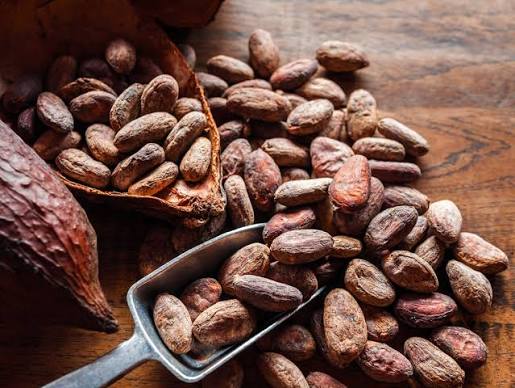
The ‘Cocoa OPEC’ Structural Pricing Alignment
The global agricultural commodity landscape is experiencing structural shifts as West African nations move to reshape the pricing dynamics of the multi-billion-dollar chocolate industry. Despite retail chocolate prices remaining high, global raw cocoa prices crashed nearly 75% from their historic 2024 peaks.
In a coordinated response, the world’s two largest cocoa producers—Ivory Coast and Ghana—have initiated a joint strategy modeled directly after oil-cartel frameworks. The political leadership of both nations has agreed to harmonize local farmgate prices and align agricultural crop calendars. To create a stronger regional monopoly, the coalition has formally invited the region’s smaller producers, Nigeria and Cameroon, to join the alliance. The goal is to shift West Africa from a market “price taker” to a dominant “price maker.”
Breaking the Extraction Loop Through Local Beneficiation
Trade experts and advocacy groups, including the Equal Trade Alliance, point out that raw export reliance keeps the bulk of economic wealth outside the continent. Although Sub-Saharan Africa produces the vast majority of the world’s raw coffee and cocoa, international processing firms, brands, and retail networks capture the highest profit margins.
The long-term solution requires moving past simple negotiations for higher raw bean prices. True economic independence relies on developing domestic industrial processing infrastructure, proprietary consumer brands, and independent distribution networks to keep the wealth generated by these crops within the continent.
Cross-Border Trade Corridors Reopen
In East Africa, cross-border commerce is seeing a strong recovery following the lifting of critical health-related restrictions. The busy border crossings between Goma in the Democratic Republic of Congo (DRC) and Gisenyi in Rwanda have officially reopened after a month-long closure driven by regional containment protocols.
The resumption of free movement along this vital corridor has immediately restored local trade flows, cross-border commercial banking access, and transport networks. As one of the highest-volume trading nodes in the Great Lakes region, the normalization of this border crossing is expected to stabilize basic food prices and revive everyday merchant revenues for small enterprises operating on both sides of the frontier.
