



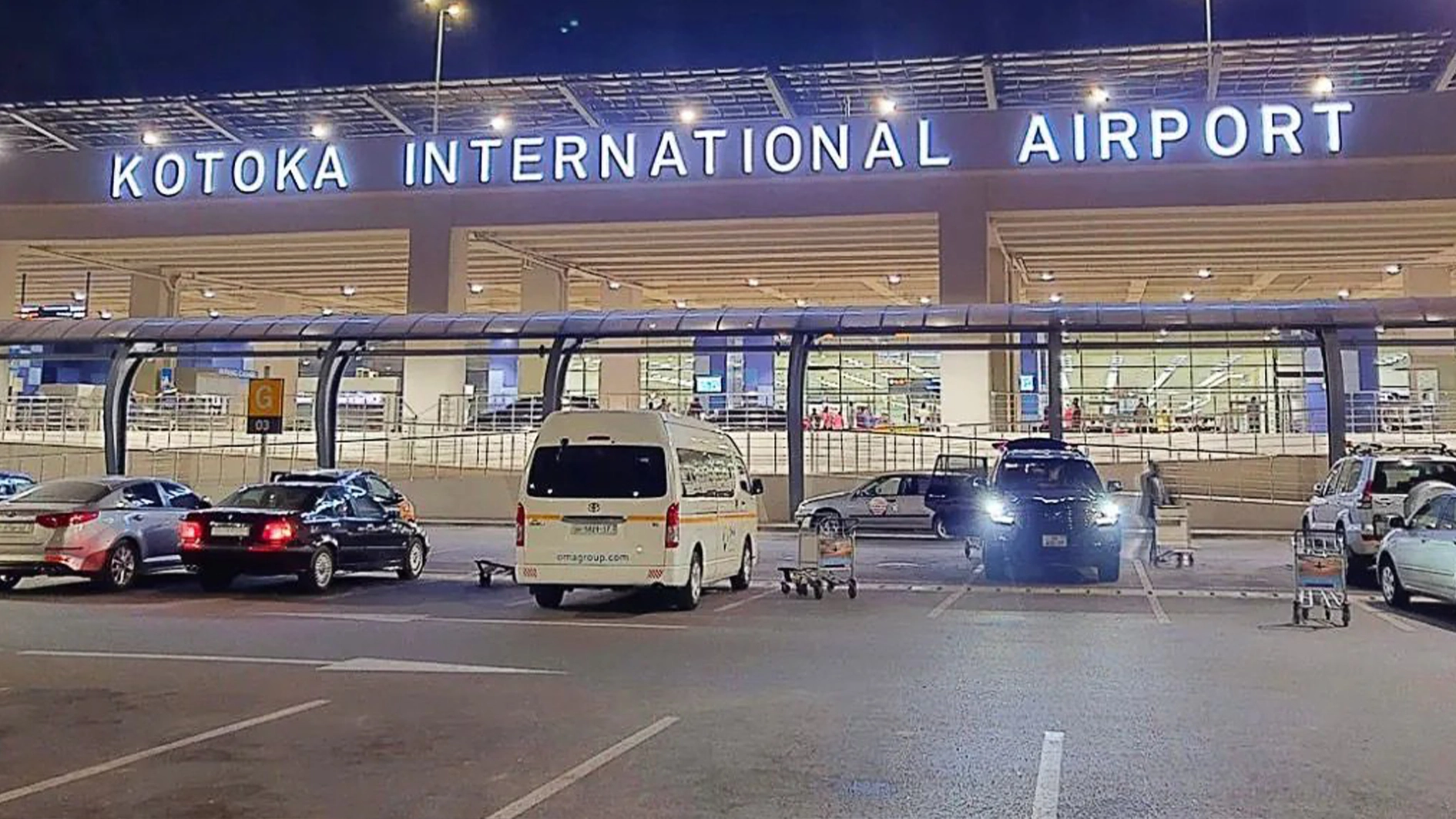
A fiscal regime described by industry insiders as “death by a thousand levies” is causing an unprecedented migration of international passenger traffic from Nigeria to Ghana. Data from regional aviation authorities shows that while Nigeria recorded a large volume of 4.85 million international passenger movements, its decade-long travel metrics have remained completely flat despite rapid population growth. By contrast, Ghana’s international air traffic expanded by roughly 60% over the same window. The disparity is driven by a cost-saving travel trend: standard passengers from Lagos or Abuja routinely book short regional flights to Accra’s Kotoka International Airport (ACC) to connect to long-haul flights to destinations like London, New York, and Amsterdam, saving hundreds or thousands of dollars per ticket.
The underlying factors driving this regional shift involve several key structural and fiscal elements:
-
The High Cost of Layered Taxation: Dr. Yinka Folami, President of the National Association of Nigeria Travel Agencies (NANTA), noted that the domestic travel market is losing vast tax revenues to neighboring countries. Industry expert Gbenga Onitilo revealed that out of a typical domestic airfare, only a small fraction reaches the airline’s bottom line. The remaining portion is heavily consumed by multiple regulatory charges, including ticket sales charges from the NCAA, terminal fees from the Federal Airports Authority of Nigeria (FAAN), airspace charges from NAMA, pension obligations, and a newer $11.50 passenger security levy.
-
The Legacy of Trapped Funds: Aviation analyst Samuel Caulcrick explained that while the federal government successfully cleared the massive backlog of foreign airline revenues trapped in the country, the three-year repatriation bottleneck left a lasting mark. International carriers continue to hedge against future foreign exchange uncertainty by pricing their departures out of Nigerian airports with a much higher base fare than identical routes departing from Accra.
-
Ghana’s Long-Term Hub Infrastructure Strategy: Unlike Nigeria’s fragmented aviation approach, Ghana has spent two decades positioning Kotoka International Airport as West Africa’s primary transit hub. Backed by the commissioning of its modern Terminal 3, Accra has systematically attracted major expansions from premium global airlines—including new or expanded direct frequencies from Virgin Atlantic, Emirates, Brussels Airlines, and TAP Air Portugal—capturing the high-value tourism and corporate spend that historically flowed through Lagos.
