



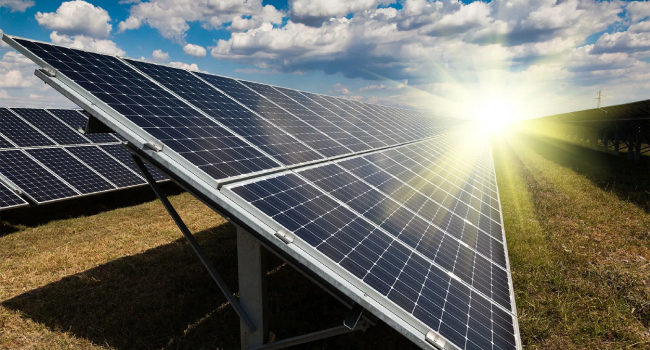
A new green energy initiative under the Productive Use Financing Facility (PUFF) is rolling out solar-powered agricultural equipment across Kenya, Nigeria, Ethiopia, Sierra Leone, Uganda, and the Democratic Republic of Congo. The program will fund the deployment of solar cold storage facilities, refrigerators, water pumps, and grain mills to boost processing efficiency and preserve fresh yields. Implementation is being led by Clasp, a Washington, D.C.-based clean energy access non-profit. Rockefeller Foundation President Rajiv Shah highlighted the scalable potential of the framework during a site visit to a solar-powered cold hub in Nairobi, noting that country-specific resource allocations are expected to expand.
PUFF operates under the broader umbrella of Mission 300, a multibillion-dollar joint venture by the World Bank and the African Development Bank (AfDB) aiming to connect 300 million Africans to electricity by 2030. This sub-program directly targets the intersection of energy deficits and agricultural supply chain bottlenecks. Farming employs over half of the African continent’s workforce, but substandard infrastructure causes severe post-harvest losses, stripping away 30% to 40% of specific crop yields before they reach markets. By scaling localized solar cooling and milling setups, the initiative enables off-grid smallholder farmers to bypass volatile diesel generator costs, reduce crop spoilage, and stabilize rural food security while curbing carbon emissions.
