
Kenyan agricultural technology startup Synnefa, founded in 2014 by Taita Ngetich, has made significant strides in smart farming solutions aimed at reducing food waste and improving water efficiency. The company’s portfolio includes innovations such as Smart Greenhouses, FarmShield IoT, FarmCloud, and Smart Solar Dryers, all designed to empower farmers with modern, technology-driven tools to optimize productivity and sustainability.
Having already impacted over 7,000 farmers across Kenya, Synnefa has now secured US$300,000 in grant funding from the World Resources Institute’s Partnering for Green Growth and the Global Goals 2030 (P4G) initiative. This grant, awarded in collaboration with the international development organization Solidaridad, is specifically intended to scale the deployment of Synnefa’s IoT-enabled solar dryers, bringing innovative post-harvest solutions to more farmers throughout the country.
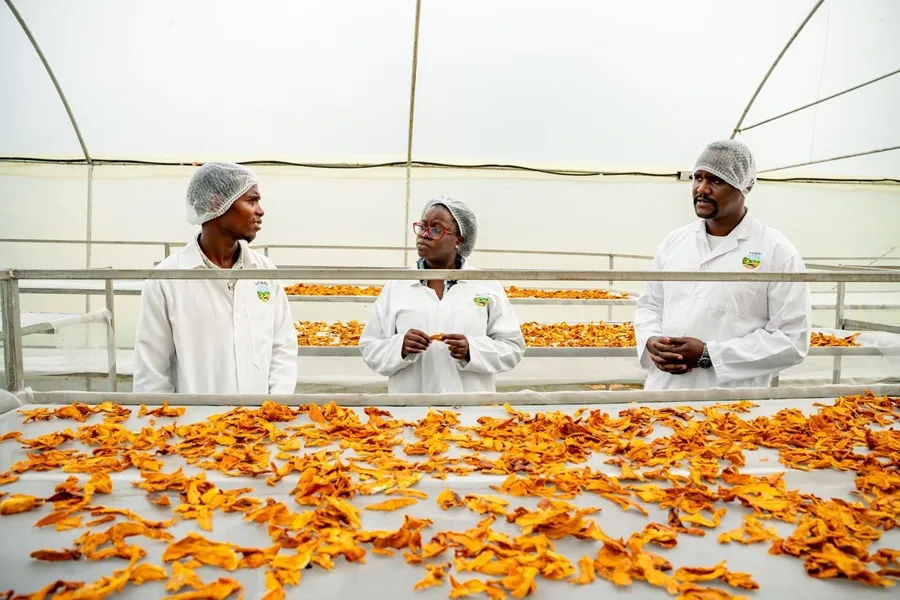
The funding will allow Synnefa to support over 800 smallholder farmers in Makueni County. By leveraging the IoT-powered solar dryers, farmers can significantly reduce post-harvest losses while shortening drying times for crops from several weeks to just two to three days. This technology is expected to boost productivity for a variety of crops, including coffee, fruits, grains, and vegetables, while also improving the overall efficiency and profitability of small-scale farms.
Synnefa has previously gained recognition for its innovative approach to agriculture. In 2022, the startup was selected as one of 60 black-founded startups to join the second cohort of the Google for Startups Black Founders Fund (BFF) for Africa, receiving a portion of a US$4 million funding pool. Building on this momentum, Synnefa now aims to raise US$2 million in seed funding by 2026, with the goal of expanding its reach to 150,000 farmers across East Africa.
Through the deployment of IoT-enabled solar drying technology and continued investment in smart farming solutions, Synnefa is not only improving agricultural productivity but also contributing to sustainable food systems and economic empowerment for smallholder farmers across the region.
