



Africa has always been a continent rich in natural resources, creativity, and human talent. Yet for generations, the global economic system positioned African countries at the very bottom of the value chain. We exported raw materials that powered global industries, only to buy back the finished products at a premium. For decades, Africa contributed the inputs but was largely excluded from the manufacturing, innovation, and value creation built around its own resources.
Today, that narrative is beginning to change. A new continental consciousness is emerging—one that insists Africa must not only produce but also benefit from what it creates. This shift is visible in the ambitious infrastructure projects underway across the continent. Modern ports such as Lagos Deep Sea Port, Bagamoyo, Lamu, and the planned Durban dig-out port are expanding Africa’s maritime capacity. New and revitalised rail systems—including Angola’s Lobito Corridor, the Kenya–Uganda standard gauge railway, and Senegal’s Dakar–Mali connection—are transforming inland logistics and reducing the time required to move goods to markets.
Major highway developments like the Abidjan–Lagos corridor and ongoing construction across the Trans-African Highway network are bringing economic hubs closer together. Meanwhile, African aviation leaders in Ethiopia, Kenya, Egypt, and Rwanda are expanding cargo terminals, cold-chain storage, and world-class freight capabilities, particularly for perishables and high-value exports. These investments represent more than upgraded infrastructure—they are the foundations of Africa’s next industrial revolution.
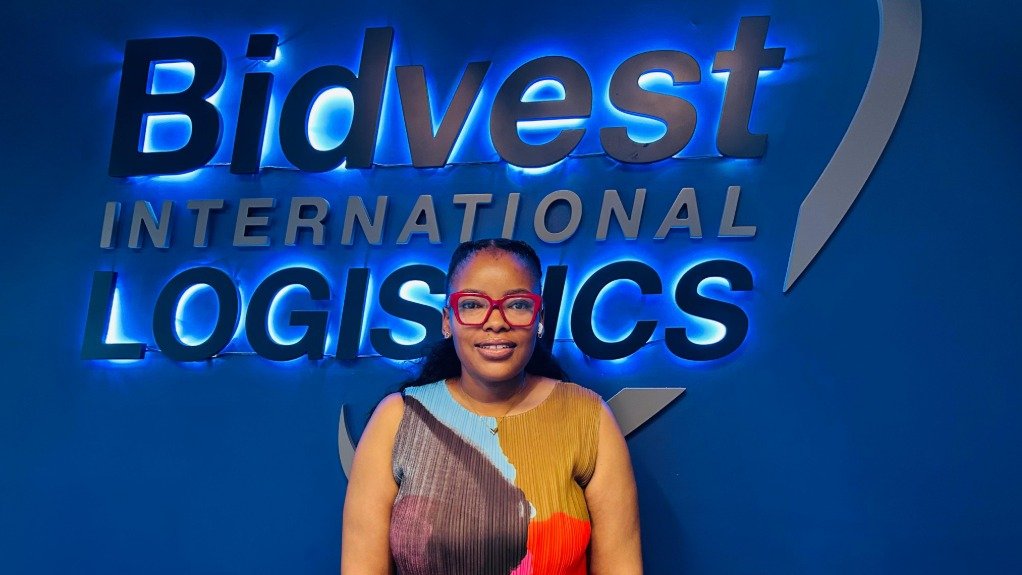
At Bidvest International Logistics, we witness daily how each improved road, port, or warehouse—no matter how small—creates momentum for regional integration. That is why I often remind my teams that, “Africa’s transformation is the sum of consistent, quiet progress,” because these incremental wins are what turn the vision of the African Continental Free Trade Area (AfCFTA) into a living reality.
The AfCFTA brings together 55 African countries into a unified market, reducing tariffs, promoting localisation, and enabling efficient cross-border supply chains. Every region of Africa holds unique comparative strengths—mineral wealth in the south, oil and gas in the west, vast agricultural potential in the east, and abundant energy and timber resources in central Africa. When these strengths are leveraged collectively, entire industries—logistics, manufacturing, engineering, automotive, healthcare, FMCG, and mining—gain the ability to scale sustainably.
Africa’s youthful population is another advantage. With the right mindset and policies, this demographic can become the engine that drives the continent’s industrial growth. As I often say, “Choosing African-made goods should be viewed as an act of continental pride—a deliberate choice to strengthen our shared economic destiny.” The goal is not simply to produce cheaper alternatives to imports, but to manufacture high-quality, globally competitive products that reflect African excellence.
If implemented effectively, the AfCFTA has the potential to unlock an estimated $450 billion in additional GDP by the mid-2030s. It could reposition Africa as a confident, self-sustaining economic force. However, this transformation is not guaranteed. It requires strong coordination between governments, private companies, investors, and development partners. Success will depend on modernised logistics systems, harmonised regulatory standards, predictable border processes, and a digital trade ecosystem that makes it easy for businesses to operate across borders.
With intentional investment, integrated supply chains, and a shared commitment to building industries within the continent, Africa can finally claim a fair share of the value generated from its own resources. The promise of intra-African trade is within reach—and this time, the benefits belong to us.
