


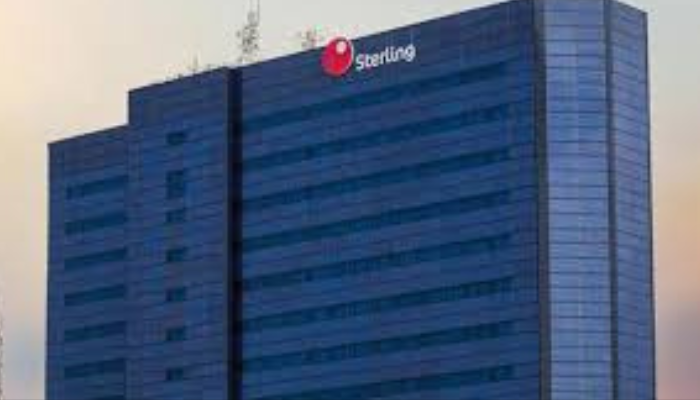
Sterling Bank is calling for a renewed, continent-wide commitment to transforming agriculture into Africa’s next major investment frontier. At the 2025 Agriculture Summit Africa (ASA) in Abuja, the bank urged policymakers, financiers, and private-sector leaders to unlock catalytic capital while embracing technology-driven, climate-smart solutions that can reposition the food and agribusiness sector for sustainable growth.
According to Olushola Obikanye, Group Head of Agric and Solid Mineral Finance at Sterling Bank, conversations throughout the summit reflected a growing shift in mindset among investors who are beginning to recognize agribusiness as a scalable, profitable, and innovation-friendly industry.
He explained that Africa’s agricultural story is being reshaped by bold thinkers leveraging collaboration, new technologies, and eco-friendly practices to drive competitiveness and long-term value.
One of the event’s biggest announcements came from the Federal Government, which introduced the National Livestock Growth Acceleration Strategy—a transformative roadmap to expand Nigeria’s livestock industry from $32 billion to $74 billion by 2035.
Minister of Livestock Development, Idi Mukhtar Maiha, emphasized the need for banks to establish dedicated livestock financing desks to address long-standing funding gaps affecting pastoralists, ranchers, and processors. He noted that the strategy could significantly reduce the country’s reliance on imports while creating millions of new jobs across rural economies.
Industry analysts at ASA 2025 said the new livestock strategy is expected to stimulate fresh investment in areas such as modern ranching, dairy processing, cold-chain logistics, feed manufacturing, veterinary care, and export-focused value chains.
In another major development, the National Agricultural Development Fund (NADF) announced a strategic on-lending partnership with Sterling Bank. NADF’s Executive Secretary, Mohammed Ibrahim, said the initiative is designed to mitigate lending risks and unlock long-term capital for agribusinesses, especially those investing in machinery, processing facilities, and climate-resilient technologies.
He added that catalytic funding remains essential for turning agriculture into a bankable, investment-ready sector capable of absorbing private capital at scale.
Representing Governor Mai Mala Buni of Yobe State, Garba Tahir Usman noted that the state is deepening mechanisation efforts and deploying digital agriculture tools to improve yields, reduce waste, and strengthen value-chain efficiency. He called on private investors to support technology-led agricultural solutions, particularly in irrigation infrastructure and agricultural extension services.
Corporate executives from Bank of Agriculture, Noor Takaful, and Sunbeth Global Concepts also highlighted opportunities in agricultural insurance, export financing, supply-chain integration, and risk-sharing mechanisms—sectors increasingly viewed as essential to reducing volatility and improving agribusiness profitability.
Panels at the summit explored a wide range of commercially promising areas including policy reforms, precision agriculture, green innovation, climate adaptation, and data-driven farming systems.
ASA 2025 concluded with a large-scale exhibition featuring agritech innovations, processing machinery, and renewable-energy solutions designed to cut operational costs and help farmers achieve higher productivity. The exhibits reinforced the growing belief that agriculture—supported by technology, financing, and regional cooperation—can become one of Africa’s most powerful engines of economic transformation.
