



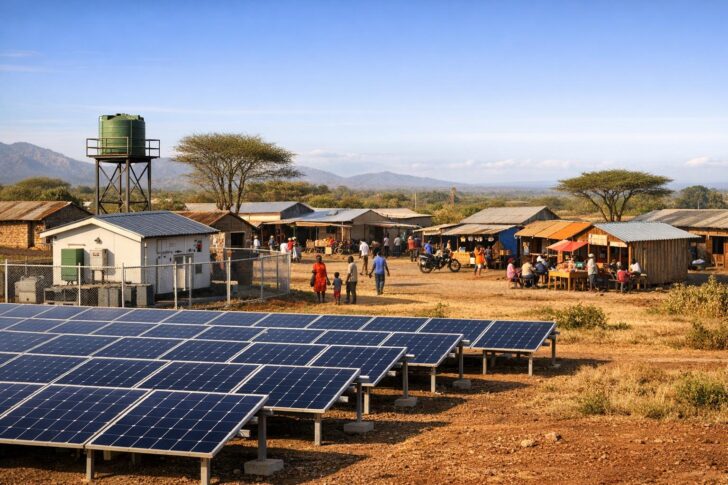
PowerGen is embarking on a transformative journey to establish a 120 MW renewable energy platform in Kenya, a move that signals a strategic shift from isolated projects to a scalable, continent-wide infrastructure model. This ambitious venture integrates a variety of decentralized energy solutions, including mini-grids, metro-grids, and commercial and industrial (C&I) power systems. By pairing these generation assets with advanced battery storage technology, PowerGen ensures a consistent, 24/7 supply of electricity, effectively overcoming the intermittency challenges typically associated with solar and wind power. This integrated approach is designed to provide high-quality, reliable energy to regions that have historically been overlooked by traditional centralized utility networks.
The Strategic Shift: From Projects to Platforms
The cornerstone of this initiative is the transition toward a platform-based approach to electrification. Rather than building individual, disconnected systems, PowerGen is creating a unified framework that can be replicated and scaled across diverse geographies. While Kenya serves as the primary launchpad for this 120 MW expansion, the company has already laid the groundwork for similar deployments in Nigeria, Sierra Leone, and the Democratic Republic of the Congo. This expansion is fueled by a significant $50 million funding milestone, which combines catalytic equity and debt financing from prominent development finance institutions and private sector investors.
By focusing on distributed energy solutions, PowerGen generates electricity in close proximity to the end consumer. This eliminates the massive capital expenditure and logistical hurdles required for extending centralized national grids over thousands of miles of difficult terrain. This decentralized model is particularly critical for Sub-Saharan Africa, where approximately 570 million people still lack basic access to modern electricity. PowerGen’s proven track record—which includes operating 16 successful renewable mini-grids in Nigeria serving over 12,000 households—provides the operational blueprint for this massive scale-up.
Socio-Economic Transformation and Local Empowerment
The impact of providing reliable power extends far beyond simply lighting up homes. PowerGen’s initiative is projected to provide electricity to 68,000 households and 7,000 businesses, creating a profound ripple effect across local economies. For residential users, the transition to clean energy replaces expensive and hazardous alternatives like kerosene lamps and candles, which are notorious for degrading indoor air quality and posing fire risks.
For the business sector, the benefits are even more tangible:
-
Cost Efficiency: Small and medium enterprises (SMEs) are expected to see a reduction in energy costs by as much as 30% compared to using diesel generators.
-
Operational Expansion: Reliable power allows clinics to refrigerate vaccines, schools to utilize digital learning tools, and workshops to operate heavy machinery for longer hours.
-
Job Creation: The development of the 120 MW platform will generate thousands of direct jobs in construction, technical installation, and ongoing maintenance. Furthermore, the availability of consistent power is expected to trigger indirect employment by enabling local businesses to scale their operations.
Environmental Stewardship and Global Goal Alignment
PowerGen’s growth strategy is intrinsically linked to global sustainability targets, specifically UN Sustainable Development Goal 7 (Affordable and Clean Energy) and SDG 13 (Climate Action). By prioritizing renewable sources over fossil fuels, the company is estimated to prevent the release of 43,581 tCO2e in greenhouse gas emissions annually. This is a significant contribution to the global effort to mitigate climate change while simultaneously building infrastructure that is resilient to environmental shifts.
The project also aligns with the African Development Bank’s Mission 300, a high-level initiative aimed at connecting 300 million Africans to electricity by 2030. Dr. Daniel Schroth of the AfDB emphasized that this partnership reflects a commitment to catalyzing private investment in sustainable infrastructure, proving that private-sector innovation is essential for achieving public development goals. The use of smart metering and real-time control systems further enhances the efficiency of these grids, ensuring that energy waste is minimized and that the systems can adapt to the specific demand patterns of remote communities.
Navigating the Future Road Map
The financial close for this ambitious project is slated for January 2025, which will trigger the commencement of large-scale construction and deployment activities. While the technical and financial foundations are solid, PowerGen recognizes that success in high-risk markets requires navigating complex local regulatory environments and maintaining extreme cost efficiency.
Through strategic collaborations with partners like IFU, PIDG, and InfraCo, PowerGen is not just building power plants; it is constructing the “energy system of the future” for Africa. This model proves that through the right mix of technology, localized expertise, and institutional backing, the goal of universal energy access across the continent is not just a vision, but an achievable reality. As CEO Aaron Cheng noted, this next chapter is about contributing at scale to the energy transition and fostering long-term, sustainable socio-economic growth across Africa.
