



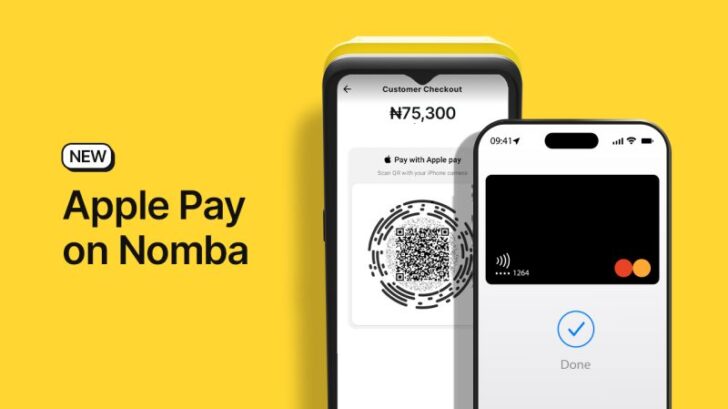
In a landmark development for the West African financial technology sector, Nomba has officially integrated Apple Pay into its expansive ecosystem. This strategic rollout, unveiled on December 23, 2025, empowers over 300,000 merchants to accept seamless, contactless transactions through their point-of-sale (POS) terminals. This move represents a significant evolution in the local payment landscape; while previous milestones—such as Paystack’s 2021 integration—focused largely on digital “Checkout” features for websites, Nomba is bringing this world-class technology directly into the physical retail space. This ensures that brick-and-mortar shops, ranging from high-end boutiques to local pharmacies, can now offer the same level of convenience found in global financial hubs.
Strategic Timing for the “Detty December” Season
The timing of this launch is calculated to capitalize on the vibrant “Detty December” period, a cultural phenomenon where thousands of members of the Nigerian diaspora and international tourists return to the country for festivities. Historically, these visitors have struggled with “card anxiety,” as foreign-issued cards frequently fail or trigger security blocks on local banking hardware. By enabling Apple Pay, Nomba provides a reliable alternative that allows travelers to pay for goods and services by simply tapping their iPhone or Apple Watch on a terminal. The process utilizes secure NFC (Near-Field Communication) technology, authenticated instantly via FaceID or TouchID, effectively bypassing the technical friction associated with physical card chips.
Navigating Local Regulatory and Settlement Hurdles
While the integration is a major victory for merchant accessibility, a significant barrier remains for the average Nigerian consumer. Currently, local residents are unable to add their Naira-denominated Mastercard or Visa cards to the Apple Wallet. This limitation is primarily due to a lack of support for local currency card tokenization and existing regulatory complexities within the Nigerian financial system. As it stands, the immediate benefits of Apple Pay on Nomba terminals are skewed toward businesses that cater to international visitors and the expatriate community, rather than the broader local populace.
Furthermore, the issue of settlement currency remains a point of discussion for local entrepreneurs. Nigeria is currently navigating a tight liquidity environment, influenced by the Central Bank of Nigeria’s (CBN) recent policies on withdrawal limits and foreign exchange management. Although Nomba streamlines the acceptance of global payments, merchants are typically settled in Naira at official exchange rates. This means that while the “transactional” barrier is broken, the ability for small-scale businesses to hold or utilize foreign currency directly from these sales remains restricted.
A New Chapter for Nigerian SMEs
Despite these challenges, Nomba’s integration of Apple Pay signals a profound shift in the regional fintech hierarchy. By aligning its infrastructure with global standards, Nomba is positioning itself as a vital gateway for Nigeria’s global-facing economy. This move provides small and medium-sized enterprises (SMEs) with a sophisticated tool to engage more effectively with an international market. As the ecosystem matures, the long-term impact will likely depend on whether regulatory shifts eventually allow local cards to be tokenized, turning a luxury feature for tourists into a ubiquitous payment standard for all Nigerians.
