



The Nigerian government, under President Bola Ahmed Tinubu, has once again reasserted its firm opposition to the increasing deployment of private military and security companies in African conflict zones. According to Tinubu, the involvement of these non-state actors poses a direct threat to national sovereignty, weakens coordinated regional security responses, and often complicates the work of legitimate state forces.
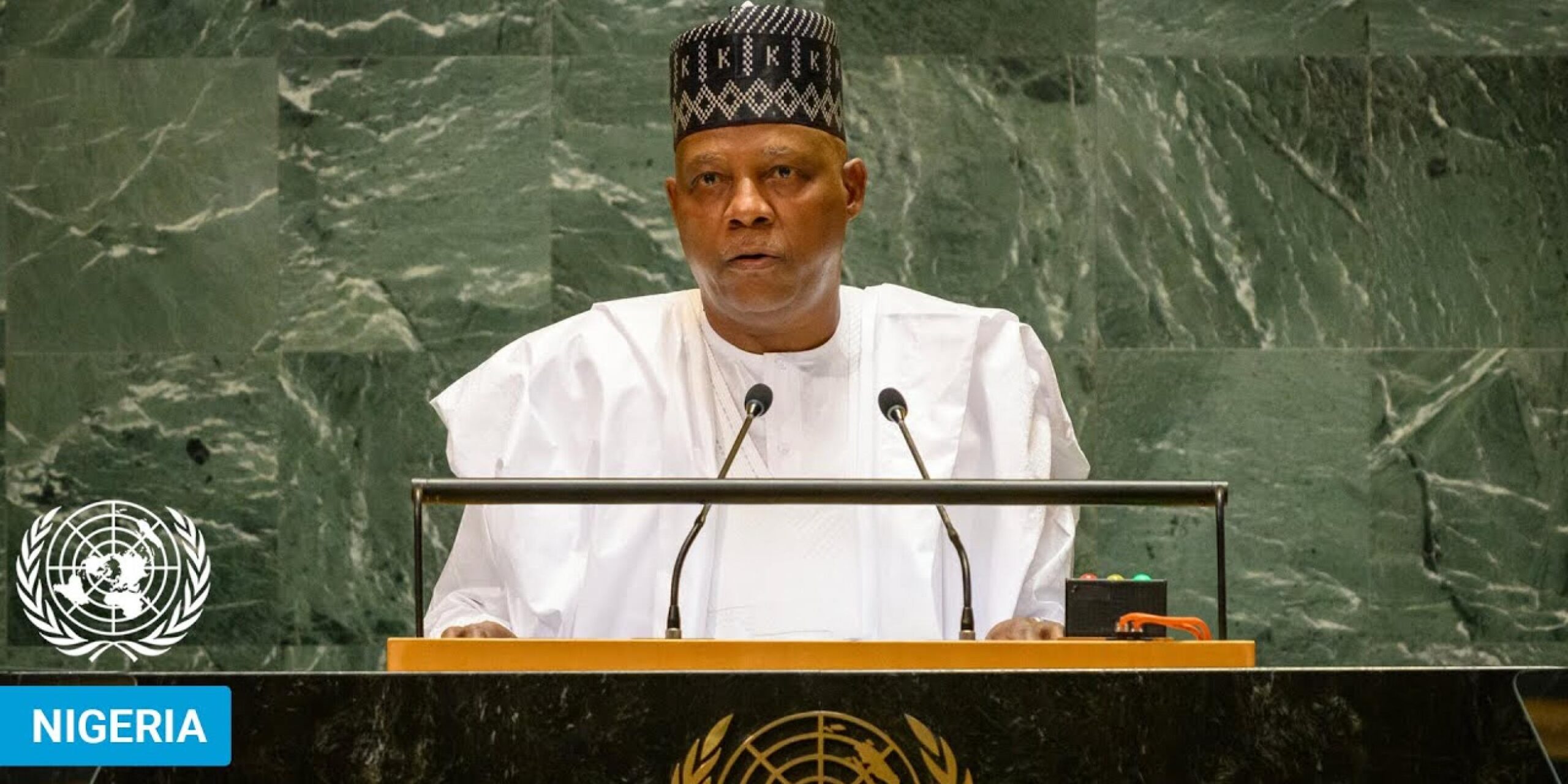
Speaking during the first plenary session on Peace, Security, Governance, and Multilateralism at the 7th African Union–European Union Summit in Luanda, Angola, Tinubu—represented by Vice President Kashim Shettima—warned that Africa cannot allow its security architecture to be outsourced to private interests. He emphasized that private contractors frequently operate outside continental frameworks, making counter-terrorism operations more complex and less predictable.
He stated that Nigeria “stands firmly against the use of private military and security companies in African conflicts,” adding that their activities typically disrupt diplomatic efforts, aggravate tensions, and undermine the authority of legitimate governments. Tinubu argued that addressing Africa’s major security challenges—including terrorism, armed banditry, and transnational organised crime—requires unified, state-led strategies, not parallel systems run by external actors with unclear motivations.
Reaffirming Nigeria’s role in supporting regional stability, Tinubu stressed that the country remains committed to working closely with the European Union to build “a stable, just, and prosperous world,” noting that collaboration must prioritize empowering African institutions rather than substituting them.
His comments come at a time when Nigeria continues to battle serious security issues, including repeated attacks on communities and schools. These incidents have resulted in widespread fear, significant property loss, and multiple student abductions.
Recently, SaharaReporters revealed that 50 pupils kidnapped from St. Mary’s Private Catholic Schools in Papiri, Niger State, managed to escape and reunite with their families. The school administration confirmed their return after reaching out to parents. The escape occurred days after armed attackers abducted a total of 303 children and staff from the institution.
According to Most Rev. Bulus Dauwa Yohanna of the Christian Association of Nigeria (CAN) in Niger State, while the escape of the 50 children brings relief, prayers and ongoing support are still needed for the large number of students and staff who remain in captivity. A statement issued by his media aide, Daniel Atori, noted that 251 primary school pupils, 14 secondary students, and 12 teachers are still being held.
Further compounding national concerns, authorities in Kebbi State confirmed the abduction of 25 students from Government Girls Comprehensive Secondary School in Maga, Danko/Wasagu Local Government Area. The early-morning attack left one staff member deceased and another injured, according to the Police Public Relations Officer, CSP Nafi’u Abubakar Kotarkoshi.
These incidents highlight the ongoing security pressures Nigeria faces, reinforcing Tinubu’s argument that African nations must rely on strong state systems—and not private military outfits—to manage and overcome the continent’s evolving security threats.
