



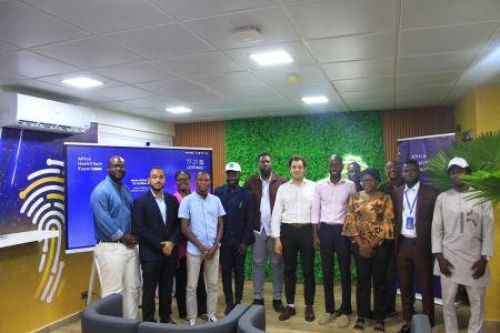
The MTN Innovation Lab in Cotonou, Benin, launched the Africa HealthTech Export 2025 Bootcamp on Monday, November 17, convening an important gathering of early-stage companies, seasoned capital providers, and regulatory bodies from regional countries, including Côte d’Ivoire, Senegal, and Togo. The event is a joint effort, successfully organized in partnership with the local innovation center, Phi Hub. Having been established earlier this year specifically to nurture the growing startup ecosystem within Benin, the MTN Innovation Lab is now providing intensive masterclasses. These sessions are being led by local market experts and international leaders, offering comprehensive instruction on core business competencies. Key areas of focus include structuring compelling fundraising strategies, executing successful market expansion into new territories, and navigating the complex regulatory environment governing digital medical devices in Benin and across the wider West African Economic and Monetary Union, or UEMOA.
The discussion on policy frameworks was highly emphasized, with Jean-Christian Omyale, Head of Regulatory Affairs for digital health solutions at the German pharmaceutical group Merck, asserting that regulation must serve to accelerate healthtech innovation rather than impose undue limitations. He clarified that the central dilemma for policymakers is finding the equilibrium between allowing nimble product development and upholding a clear, standardized compliance process for innovators seeking market entry. This perspective was reinforced by Dr. Yossounon Chabi, Director General of the Beninese Agency for Medicines and Health Products (ABMed). Dr. Chabi diligently detailed the pertinent national and regional regulatory blueprints in place. He actively guided entrepreneurs on the necessary steps to integrate compliance requirements from the outset of their product development, whether they are working on clinical software, patient-facing mobile applications, advanced AI diagnostics, or connected IoT hardware. He stressed a crucial distinction, noting that classic pharmaceutical regulation is applied exclusively to products with a determined clinical and therapeutic purpose, which provides vital clarity for numerous digital health companies in their early stages.
The Cotonou bootcamp, running until November 21, takes place against a backdrop of paradoxical market conditions. The African healthtech industry has achieved remarkable expansion in recent years, yet it faces a pronounced slowdown in venture capital funding. In the past five years, healthtech ventures across the continent collectively secured investment exceeding $1 billion. However, recent figures from Partech reveal that total venture investment saw a dramatic 70 percent decrease in 2024 compared to the previous year. Despite this financial constraint, the inherent market potential for digital solutions remains exceptionally strong, driven by immense societal need. Africa is grappling with profound deficits in critical healthcare access, primarily due to shortages in physical infrastructure and trained medical personnel. The World Health Organization anticipates a critical shortfall of 6.1 million healthcare professionals in Africa by 2030, which represents a severe 45 percent increase from prior 2013 estimations. Consequently, digital health interventions—such as accessible telemedicine, diagnostic tools powered by artificial intelligence, and efficient drone logistics for medical supplies—are now considered an essential strategic imperative to bridge this escalating infrastructure gap.
MTN Benin’s active participation in this intensive bootcamp is a core component of its strategy to support the local technology ecosystem. Through its formal incubator program, the South African-owned telecom operator has carefully selected five high-potential projects for an immersive six-to-eight-month period of incubation and dedicated business development assistance. Among these supported startups are “Medom,” a robust digital platform focused on efficiently linking patients with qualified healthcare professionals for seamless outpatient treatment, and “Elles,” a venture developing mobile solutions offering confidential and vital health information and services tailored specifically to the needs of African women. Despite the strong consumer demand for healthtech, widespread access across Africa continues to be significantly limited. Beyond the often-cited funding hurdles, large segments of the population contend with inadequate internet penetration rates and the substantial expense associated with high-quality smartphones and data connectivity. These widespread barriers prevent less affluent communities from realizing the full benefits of digital health services. Therefore, prioritizing the improvement of digital affordability and ensuring pervasive connectivity will be absolutely fundamental if healthtech is truly to become a durable foundation for long-term healthcare improvement and accessibility on the continent.
