

KwaZulu-Natal is rapidly positioning itself as the new heartbeat of Africa’s business-tourism landscape, strengthened by the confirmation that the province will host Africa’s Travel Indaba (ATI) for the next five years. This long-term commitment transforms ATI from a Durban-focused showcase into a province-spanning economic engine driving year-round business activity.
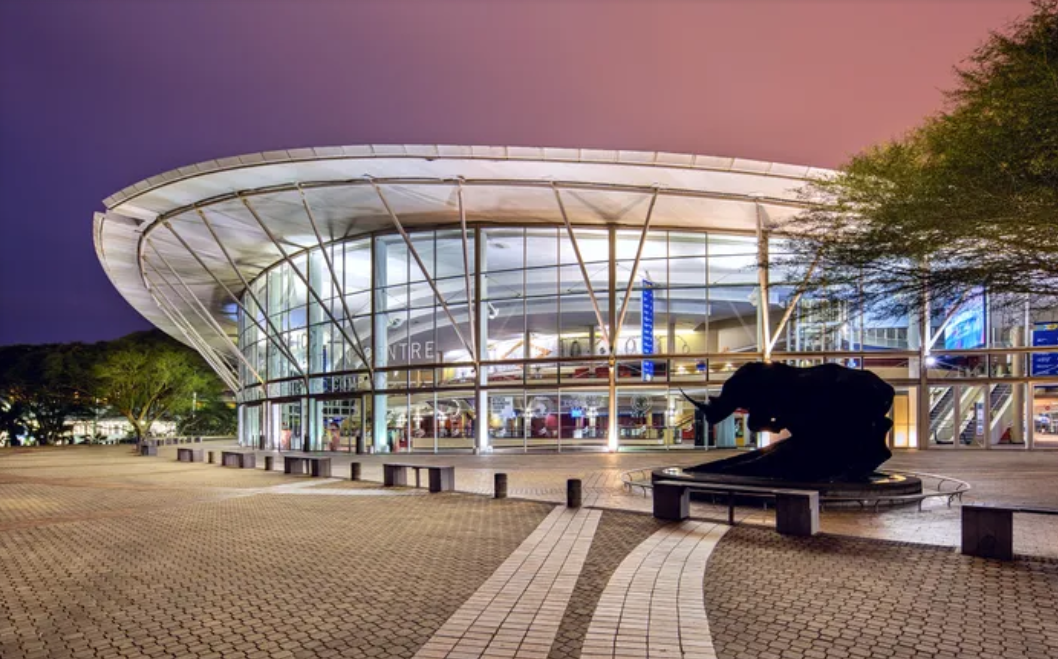
At the centre of this shift is the Inkosi Albert Luthuli International Convention Centre (Durban ICC), already globally respected and now further elevated by its newly granted World Trade Centre (WTC) status. While Durban provides global credibility, KwaZulu-Natal is intentionally expanding the experience far beyond the beachfront — integrating destinations such as the North and South Coasts, the Midlands, Pietermaritzburg, Richards Bay and the Drakensberg into a unified, opportunity-rich MICE circuit.
Instead of offering one static venue, KwaZulu-Natal is presenting a multi-node business tourism ecosystem where conferences, investment meetings and corporate gatherings are paired with world-class regional incentives. Delegates are encouraged to explore wider KZN, ensuring that spending, partnerships and opportunities flow throughout the province — not just to Durban.
The province’s five-year ATI mandate gives business events long-range stability. The Durban ICC’s WTC recognition boosts international trust, while KZN’s diverse MICE infrastructure ensures that economic benefits reach multiple districts. This integrated approach strengthens SMME participation, deepens industry pipelines and increases the likelihood of repeat visits from global delegates.
According to Durban ICC CEO Lindiwe Rakharebe, the WTC status transforms the city’s positioning:
“It places Durban within a powerful global network of over 300 World Trade Centres across nearly 100 countries, enhancing our role as a trusted destination for tourism, investment and business.”
Last year’s ATI delivered a clear example of its impact: Durban’s hotels reached nearly full occupancy, local restaurants and transport services were overwhelmed with demand, and suppliers across multiple sectors experienced major boosts.
Business stakeholders echo this momentum. Palesa Phili, CEO of the Durban Chamber of Commerce and Industry NPC, notes that ATI brings investors, filmmakers, tourism operators and creative-industry leaders into one space, creating partnerships that fuel KwaZulu-Natal’s wider visitor economy.
Similarly, Jaya Naidoo, General Manager of Fedhasa, highlights that during ATI, not only Durban but also Pietermaritzburg, Zululand, Ballito, the Dolphin Coast and the Drakensberg enjoy spillover occupancy. She adds that ATI’s benefits last long after the event — generating future conferences, incentive trips and leisure tourism.
The numbers back this up: KwaZulu-Natal’s MICE sector is accelerating dramatically. In 2024, the province hosted over 50 major conferences, generating around R4 billion in GDP impact, more than 7,000 jobs, and R1.6 billion in delegate spending. The 2025–2027 pipeline already includes confirmed bids in critical sectors such as water, logistics, finance, healthcare, energy and the creative industries.
With strong infrastructure, diverse landscapes and a proven ability to attract global attention, KwaZulu-Natal is no longer simply a destination for events — it has become a strategic powerhouse shaping Africa’s business tourism future.
