


The heart of Africa’s Black Friday is currently the colossal, 30,000-square-meter Jumia warehouse in Isolo, Lagos, Nigeria. Operating as a precise human-powered machine running 24/7, the facility is where workers coordinate mountains of products, from electronics to groceries, reflecting the immense energy of the continent’s largest annual shopping event. This high-octane operation, managed with staggered shifts and onsite support, is overseen by Chief Supply Chain Officer Richmond Carlos Otu, who notes the peak season is vital for acquiring new customers. The importance of this operational frenzy goes beyond sales; it symbolizes Jumia’s successful strategic transformation. Once struggling, with its stock battered by infrastructure issues and competition from players like Temu and Shein, the company executed a radical reset. This included relocating leaders from Dubai and Paris to the core market and retooling the business model around local realities. The resurgence is visible in the improved efficiency, with fulfillment costs dropping significantly. This focus on operational smartness over reckless expansion has the company inching toward its goal of sustainable profitability by 2027. CEO Francis Dufay has even compared the company’s trajectory to that of MercadoLibre in Latin America, noting Jumia could become the “small MercadoLibre of Africa.” With a current market value of $1.3 billion and Black Friday sales surging, the intense activity in Lagos is proof that Jumia is proving it can thrive on its own terms, aiming to secure the continent’s e-commerce crown.
Jumia’s Lagos Warehouse Becomes the Engine Driving Africa’s Black Friday Resurgence
 By Samuel Suru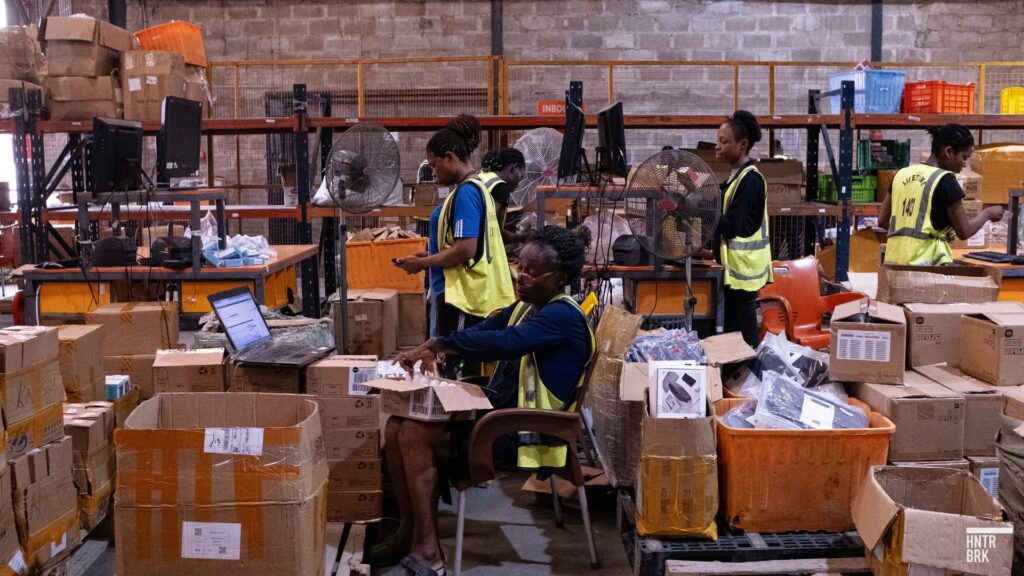

Samuel Suru
I'm Samuel Pamilerin, a content writer for Afroventures, creating stories that celebrate African startups, SMEs and fresh ideas. I love writing content people can feel.