



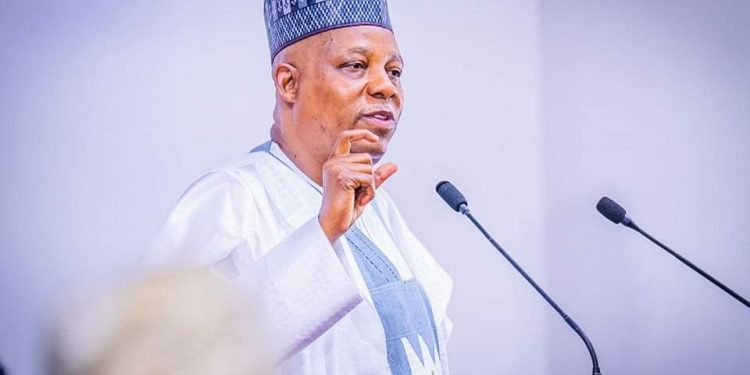
Imo State is poised for accelerated economic growth, following an announcement at the Imo State Economic Summit 2025 in Owerri that positions the state as a key pillar in Nigeria’s national economic diversification agenda. The Vice President, speaking at the event, confirmed that the Federal Government is actively opening new financing pathways for local entrepreneurs. This support will be channeled through development finance institutions such as the Bank of Industry (BOI) and the Development Bank of Nigeria (DBN), providing critical facilities for Small and Medium-sized Enterprises (SMEs) seeking to scale operations, innovate, or access new markets.
Funding and Partnership Focus
The government’s message underscored a determined push toward job creation, sustainable growth, and strengthening the private-sector base in Imo. The focus areas include small businesses, agro-processing, and gas utilisation.
The government also highlighted upcoming Public-Private Partnerships (PPPs) in crucial sectors like housing, transport, and renewable energy. These infrastructure initiatives are expected to stimulate new business opportunities and accelerate youth-led ventures across the state. Stakeholders at the summit welcomed the announcements as a timely boost for Micro and Small Enterprises (MSMEs) that traditionally struggle with accessing capital, overcoming infrastructure gaps, and navigating market barriers. With improved financing windows, MSMEs in sectors such as food processing, fabrication, tailoring, logistics, tech services, and retail can more easily enter formal business structures, expand production capacity, and increase hiring.
Strengthening Local Value Chains
Beyond capital access, discussions at the summit centered on key enablers for long-term growth:
-
Industrial Clusters and Value Chains: Participants emphasized the high potential of Imo’s agro corridor to supply raw materials—like palm oil, cassava, rice, and spices—to local processing hubs. Improving the quality, packaging, and storage of these goods could allow the state to feed key export markets.
-
Infrastructure: Reliable electricity and functional transport networks are essential. Once these are secured, small-scale manufacturers will find it easier to process goods at competitive costs, which increases revenue and significantly reduces post-harvest losses for rural producers.
-
Innovation: There is a clear need for increased investment in digital-skills development and innovation hubs to support young founders and artisans.
The Vice President stressed that national prosperity requires every state to unlock its full economic potential. He called on state actors to deepen collaboration with the private sector and support a business environment free of excessive bureaucratic hurdles, potentially positioning Imo as a competitive manufacturing and tech-support base in the South East region.
