



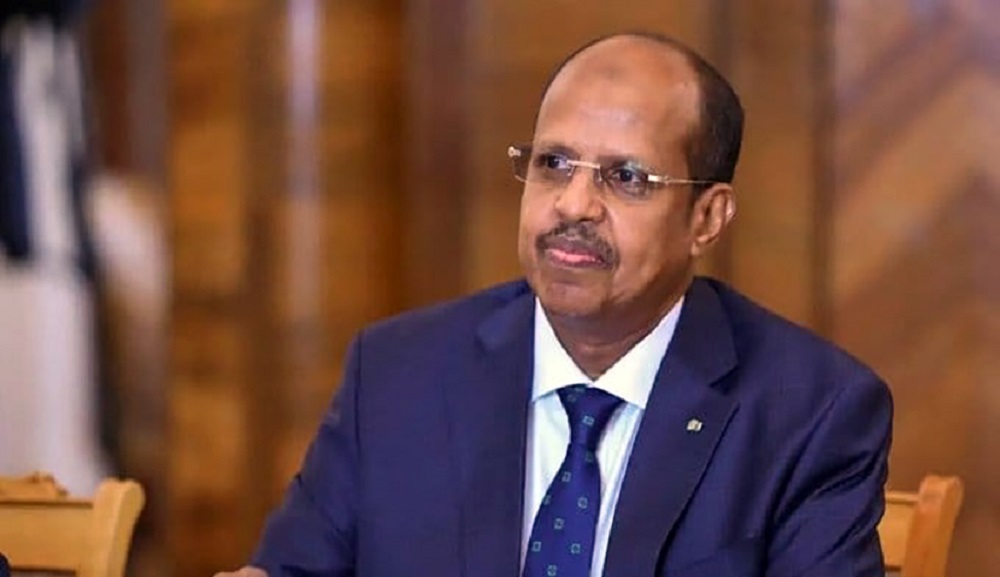
African Union Commission Chairperson Mahmoud Youssouf has called on G20 member countries to significantly increase their backing for initiatives designed to strengthen intra-African trade and investment. Speaking during the G20 Compact with Africa gathering, Youssouf emphasized that the long-term success of the African Continental Free Trade Area (AfCFTA) will depend heavily on meaningful support from major global economies.
Youssouf highlighted that although Africa is making progress toward building a unified and competitive internal market, it still requires stronger partnerships, especially with advanced economies, to unlock new opportunities for inclusive economic growth, industrialization, and sustainable development. He stressed that the AfCFTA is not just a trade agreement but a transformative framework aimed at increasing manufacturing capacity, reducing reliance on external markets, and creating jobs across the continent.
The G20 Compact with Africa, established to attract international investors and connect African businesses with global financial partners, continues to play a central role in mobilizing private capital and stimulating economic activity. The initiative also seeks to improve business environments, strengthen national policies, and draw investment to industries that can accelerate Africa’s economic rise.
During the event held on the sidelines of the G20 Summit in Nasrec, Johannesburg, German Chancellor Friedrich Merz announced that Germany will contribute €3.2 billion to support the Compact’s development goals. This commitment underscores Berlin’s intention to become a shareholder in the African Trade and Investment Development Insurance (ATIDI) facility. Merz stated that Germany aims to help reduce investment risks and encourage more companies to pursue opportunities across Africa.
The session, co-hosted by South African Deputy President Paul Mashatile, Chancellor Merz, and AU Chairperson João Lourenço, focused on unlocking higher levels of investment and enhancing cooperation between African governments and international partners. All leaders expressed that expanding intra-African trade—supported by strong global partnerships—remains essential for achieving long-term stability, economic resilience, and shared prosperity across the continent.
