
A group of Nigerian business leaders are courting Malaysian firms for collaboration across palm oil processing, manufacturing, hospitality, food production, and business-to-business partnerships, according to interviews at a major trade exhibition.
The entrepreneurs are attending the 22nd edition of the Malaysia International Halal Showcase (MIHAS), running from September 23 to 26, which brings together Malaysian exporters, international buyers, and industry players across the halal economy. The event offers business matching, technology exposure, and partnership opportunities in sectors spanning food and beverages, specialised ingredients, biotechnology, Islamic finance, logistics, and education.
Palm Oil and Skills Development
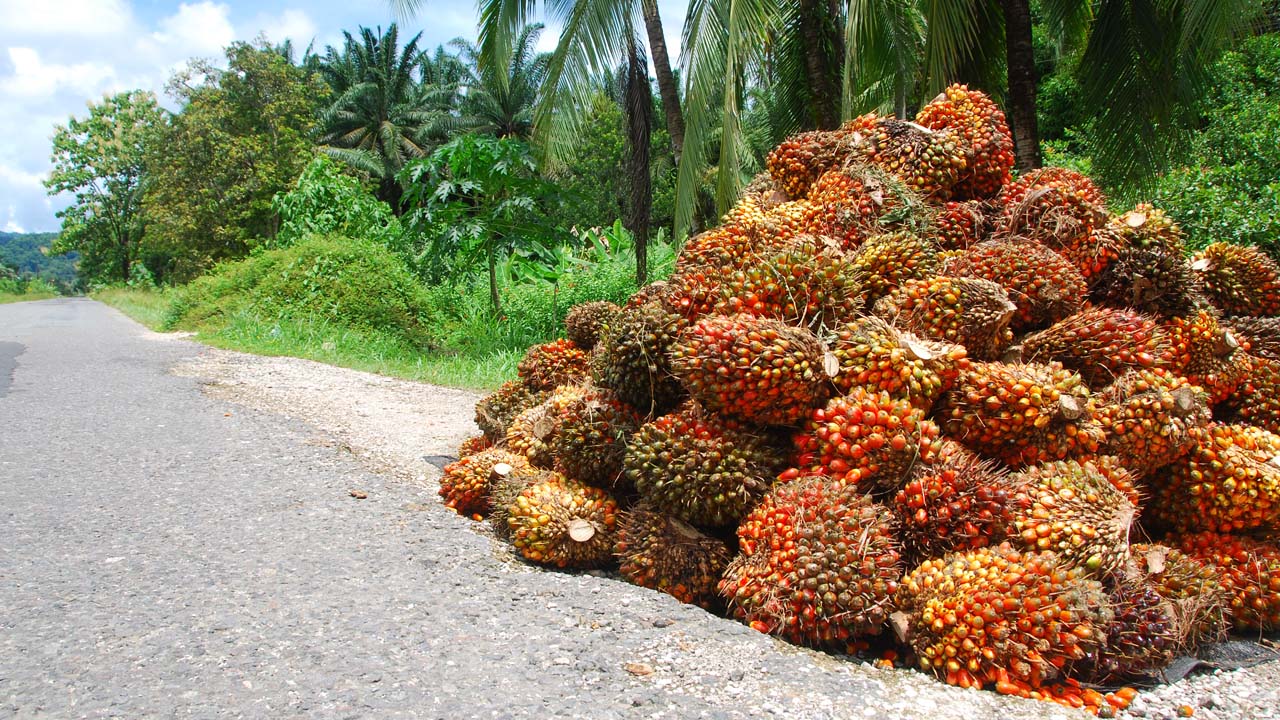
Victor Ajulo, Chief Executive Officer of Michelle & Anthony Consulting, said he is interested in acquiring Malaysian technology to strengthen Nigeria’s palm oil value chain. He specifically expressed interest in modern palm oil processing and refining technology, noting that Nigeria stands to gain from Malaysia’s expertise in converting crude palm oil into higher-value products.
Ajulo also pointed to education and vocational training as areas where Nigerian institutions could work with Malaysian counterparts, adding that more training in hospitality and related fields could raise service standards and create jobs.
Bringing Manufacturing Home
Noah Ibitoye, CEO of ZyNooh Store in Nigeria, said he is exploring partnerships with Malaysian manufacturers to set up production operations within Nigeria.
“What I’m hoping is that they can come to Nigeria and establish the manufacturing company in Nigeria,” Ibitoye said.
His interest covers products such as liquid soap and cosmetics, and he believes local production could boost the use of Nigerian raw materials. “We are sending analysis, everything to them. We are working so that we can get the local material in Nigeria to provide,” he said.
Ibitoye added that he has been engaging with the National Agency for Food and Drug Administration and Control (NAFDAC) on regulatory requirements for some of the products. He said visiting Malaysian factories had exposed him to production systems and technologies that could be adapted for the Nigerian market.
Learning From Malaysia’s Playbook
Queen Ouserigha, a Nigerian entrepreneur and Lead Consultant at Cura Consult Ltd., said MIHAS showed how structured business matching can link producers with international buyers based on specific needs.
“Imagine we do that in Nigeria. For all those producing sesame seeds, for instance, we find international buyers. Match them like this,” she said.
Ouserigha, who has attended MIHAS multiple times, said she has already built connections with Malaysian companies and is working with partners on manufacturing and certification opportunities in Nigeria. She believes Nigerian businesses would benefit from studying Malaysia’s production systems and adapting relevant practices locally.
“These people are ahead of us. There’s nothing wrong in learning,” she said, adding that MIHAS should be seen not just as an exhibition but as a platform connecting buyers with manufacturers who can meet specific requirements.
