



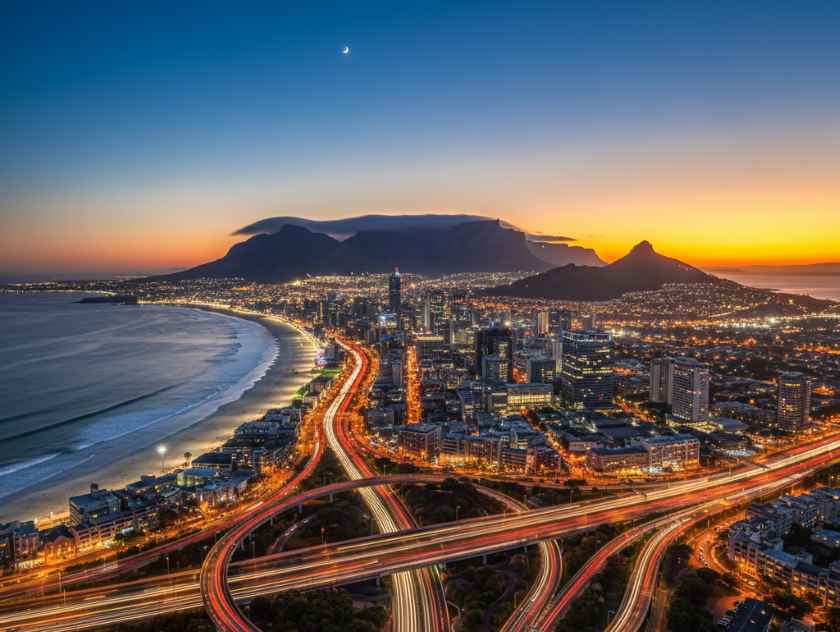
Africa’s business tourism landscape is experiencing a historic shift following South Africa’s successful hosting of the 2025 G20 Summit, held from August 22 to 24 in Johannesburg. This landmark event—the first G20 Summit ever hosted on African soil—has positioned the continent at the center of the global business tourism map and opened the door to new economic and hospitality opportunities. With the international spotlight now focused on Africa’s capacity to deliver world-class events, the business travel sector is poised for a remarkable expansion.
The summit not only elevated South Africa’s profile but also signaled a new era where African destinations can confidently compete for global conferences, high-level diplomatic meetings, and major corporate events. As analysts project 2025 to be a breakout year for African business tourism, the continent’s rapidly growing economy and expanding infrastructure have set the stage for a surge in Meetings, Incentives, Conferences, and Exhibitions (MICE) activities.
Africa’s Rising Business Tourism Power
Business tourism—particularly MICE—has long been a vital component of global travel. Over the past decade, Africa has emerged as one of the fastest-growing regions in this sector. This momentum is driven by improving economic conditions, rising demand for international engagement, expanding infrastructure, and increasing global interest in African markets.
South Africa stands at the forefront of this growth. Cities such as Johannesburg, Cape Town, and Durban have consistently ranked among the leading business tourism destinations on the continent, owing to their modern convention centers, reliable transport systems, and high-quality hospitality services. The hosting of the G20 Summit further solidified South Africa’s reputation as a premier destination capable of organizing world-class global events.
The summit attracted heads of state, influential business leaders, policy experts, and thousands of international delegates. Their presence created a substantial boost in travel demand, filling hotels, convention facilities, and transport networks across Johannesburg. This influx of global visitors generated ripple effects throughout the local economy—from hospitality and catering to event management and tourism services.
South Africa’s Central Role in Africa’s MICE Boom
By successfully executing one of the world’s most high-profile diplomatic summits, South Africa demonstrated not only its technical competence but also its cultural richness and capacity for large-scale coordination. The country’s advanced tourism infrastructure, wide selection of luxury and mid-range accommodations, and efficient transport networks provided an environment well suited for hosting massive gatherings like the G20.
Beyond Johannesburg, other South African cities—such as Pretoria, Cape Town, and Durban—continue to blend tourism with business, offering attractive venues for corporate gatherings, exhibitions, and global trade events. The vibrant cultural heritage showcased during the summit also contributed to South Africa’s appeal, presenting a narrative of diversity and unity that resonated with delegates from around the world.
Economic Impact of Africa’s Growing Business Travel Sector
Business tourism is not only a contributor to international mobility but also a powerful economic engine. According to the African Development Bank Group, 11 of the 20 fastest-growing economies globally are located in Africa. As a result, demand for business travel across the continent is rising significantly.
The G20 Summit proved to be a major catalyst for economic activity. Hotels were filled to capacity, event planners saw unprecedented demand, and transportation networks experienced increased activity. Moreover, African countries gained opportunities to build long-term partnerships with international companies and foreign governments participating in the summit. These interactions create openings for trade agreements, investment deals, and long-lasting economic relationships.
Growing Business Tourism Hubs: Nairobi, Kigali, and Accra
While South Africa leads the market, other African nations are rapidly emerging as business tourism hotspots. Countries like Kenya, Rwanda, and Ghana have invested heavily in infrastructure and airport upgrades to attract international business travelers.
-
Nairobi has long been East Africa’s commercial center, home to multinational companies, NGOs, and regional headquarters. Its modern conference venues and strong airline connectivity make it a preferred hub for corporate events.
-
Kigali has built a global reputation for cleanliness, safety, and efficiency. Rwanda’s visionary investment in conference facilities, including the Kigali Convention Centre, has positioned the city as a rising star in the MICE sector.
-
Accra continues to strengthen its presence in West Africa, supported by an expanding hospitality industry and modern event venues that appeal to organizers of trade shows and international meetings.
These cities are aggressively marketing themselves as top-tier business travel destinations, competing on the global stage for major conferences and exhibitions.
Challenges and Opportunities Within Africa’s Business Tourism Sector
Despite the strong momentum, Africa’s business tourism industry still faces challenges. Issues such as uneven infrastructure development, political instability in certain regions, and limited air connectivity restrict the full potential of the sector. Some destinations require more high-quality hotels, better roads, expanded airports, and improved visa processes to attract a broader pool of international events.
However, these challenges present enormous opportunities. Governments and private investors are increasingly funding new conference centers, upgrading transportation networks, and expanding hospitality services. Many African nations are also modernizing their MICE strategies to better align with global standards.
The Future: Africa Poised for a Business Tourism Breakthrough
The historic G20 Summit in South Africa has set a powerful precedent for future global events on the continent. With economic growth accelerating, infrastructure improving, and Africa’s international profile rising, the business tourism sector is primed for long-term success.
As more international conferences and high-level meetings take place in Africa, the continent stands to gain substantial benefits—including job creation, increased foreign investment, enhanced global visibility, and stronger intercontinental partnerships. Ultimately, Africa’s expanding business tourism industry reflects not only economic progress but also the continent’s growing influence on the world stage.
