
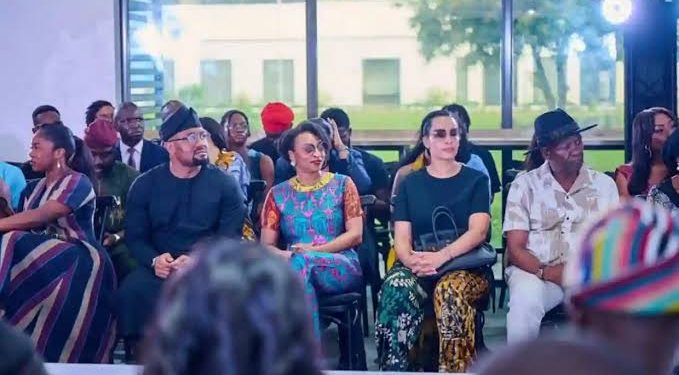
At the recent National MSME Conference 2025, the World Intellectual Property Organization (WIPO) hosted a critical masterclass session to highlight a pressing and escalating concern within Nigeria’s burgeoning creative and cultural industries. The core issue raised was that creators across the country are consistently losing the fundamental ownership and subsequent commercial value of their work due to a pervasive weak understanding and insufficient enforcement of intellectual property (IP) rights. The session, strategically titled “Who Owns It? Rethinking Intellectual Property in Nigeria’s Creative and Cultural Economy,” conducted a thorough examination of how persistent gaps in IP education, necessary regulation, and effective enforcement continue to undermine the significant contributions made by artists, digital designers, filmmakers, musicians, fashion entrepreneurs, and technology innovators. Despite the widely recognized global ascent of Nigerian creative output, participants were alerted that a significant number of creators inadvertently sign away their rights, frequently fail to legally document asset ownership, or operate their ventures entirely without adequate legal protection. The event organizers emphasized that limited awareness represents one of the single biggest barriers to growth. Crucially, many young creators lack a full comprehension of complex concepts like copyright protection, brand trademarks, licensing agreements, or modern royalty structures, which leaves them severely vulnerable to exploitation. This foundational lack of clarity directly compromises their ability to negotiate fair and equitable contracts, protect their established brands, and realize the long-term commercial potential inherent in their original work. The discussion further underscored the substantial broader economic consequences. Weak IP mechanisms actively discourage potential investors, restrict Nigeria’s global competitiveness in emerging digital markets, and significantly reduce the potential for valuable export revenues. For the Micro, Small, and Medium Enterprises (MSMEs) operating in the creative space, this vulnerability extends beyond mere lost revenue; it structurally impacts their business planning, hinders international partnership potential, and limits critical access to external finance. Experts at the masterclass stressed that creative entrepreneurs cannot achieve sustainable scale without clear, legally guaranteed ownership frameworks that robustly protect the long-term value of their products and innovative ideas. The central takeaway reinforced was that Nigeria’s vibrant creative economy will struggle to fully realize its influential potential until creators are educated on their rights and the institutions enforcing IP laws achieve dramatically improved effectiveness and collaboration.
