


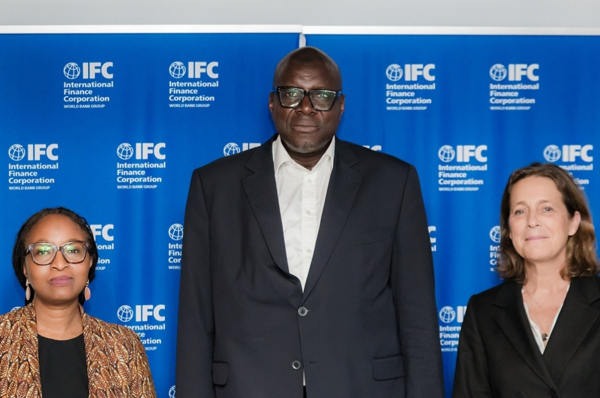
The International Finance Corporation (IFC), the private sector arm of the World Bank Group, officially announced an €80 million (approximately $92.7 million) financing package to Orange Mali SA on Monday, November 17. The primary purpose of this significant loan is to fundamentally modernize Mali’s telecommunications infrastructure, substantially expand broadband coverage, and enhance nationwide access to crucial digital financial services. This investment marks the first concrete initiative under a broader partnership agreement signed between the IFC and Orange Middle East and Africa (OMEA) at the Africa CEO Forum held in Abidjan in May 2025.
The financing structure includes €50 million drawn directly from the IFC’s own resources, with an additional €30 million mobilized from the West African Development Bank (BOAD). The capital injection is strategically earmarked for several key development and technical initiatives. Specifically, Orange Mali will use the funds to install 300 new 4G antennas across the country, with approximately half of these sites deliberately planned for underserved rural areas. Furthermore, the investment will facilitate the rollout of a fiber network designed to connect an estimated 300,000 households and small businesses, thereby improving bandwidth reliability and affordability.
Aboubacar Sadikh Diop, CEO of Orange Mali, affirmed that the partnership strongly reinforces the company’s commitment to digital inclusion and broader telecom access. He noted that the IFC’s support will be instrumental in extending network reach, significantly improving its resilience, and ensuring that a greater number of Malians can harness the opportunities offered by the rapidly evolving digital economy, including mobile financial services, telemedicine, and digital education.
Beyond the technological expansion, the project is structured as a Social Loan with ambitious inclusion and climate targets. Orange Mali has committed to environmental sustainability by replacing its existing diesel generators with modern solar systems. This transition is forecast to cut the company’s annual carbon dioxide emissions by more than 8,000 tonnes, aligning with global climate goals. On the social front, the project features extensive digital training programs with a core objective of ensuring women represent 70 percent of the total participants by 2032, actively working to bridge the digital gender divide. This overall investment strongly supports both Mali’s National Digital 2020 strategy and the World Bank Group’s Digital Economy for Africa initiative, both of which seek to leverage technology for job creation and sustainable, inclusive development.
