

ChatGPT said:
Here’s a rewritten and expanded version of your article, adding about 50 words, avoiding plagiarism, and keeping the message intact:
Nigeria Must Expand Fair and Transparent Credit to Achieve $1 Trillion GDP
Nigeria’s ambitious target of reaching a $1 trillion Gross Domestic Product (GDP) by 2030 represents one of the most significant economic objectives in the nation’s history. While audacious, this goal is attainable, grounded in the country’s most valuable resource: its dynamic and youthful population. With a median age far below the global average, Nigeria’s demographic dividend is a wellspring of creativity, entrepreneurship, and innovation—the essential drivers for robust economic growth.
However, realizing this potential requires more than ambition; it demands inclusive access to capital. Today, countless innovative ideas from Nigerian youth—from technology startups to agribusiness ventures—face bottlenecks due to a critical barrier: limited access to finance. Finance Minister Wale Edun recently highlighted this urgent need, urging financial institutions to actively support young entrepreneurs. Failure to do so, he warned, risks pushing these talented individuals into informal, unproductive economic spaces, slowing national progress.
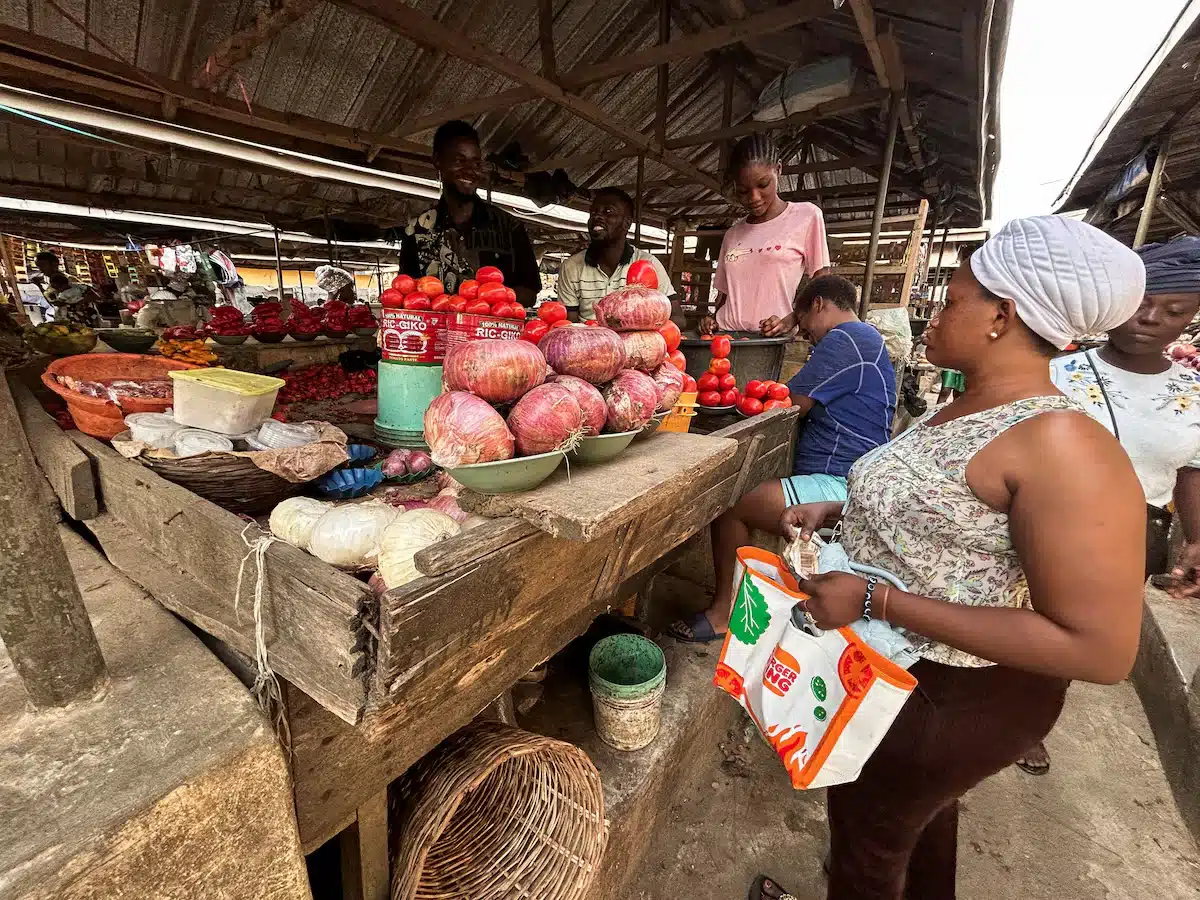
Despite Nigeria’s position as a continental leader in technology adoption, a substantial proportion of its adult population remains financially underserved. Surveys indicate that roughly 36% of adults—about 40 million people—are either completely excluded from the formal system or rely solely on informal mechanisms. This gap is especially prominent in Northern Nigeria and among lower-income demographics. Excluded from secure savings, credit, and capital access, millions are unable to scale businesses, hindering broader economic growth.
While mobile technology, agent networks, and digital onboarding are narrowing the divide, the engine for sustained progress is accessible and transparent credit. Nigeria’s current credit-to-GDP ratio, estimated between 13% and 19%, is among the lowest globally. By comparison, regional peers like Kenya and Egypt enjoy rates of 31–37%, and emerging economies such as India and Brazil see 53–62%, demonstrating how deep credit markets facilitate private-sector expansion. South Africa, with a credit penetration near 90% of GDP, underscores the potential gains achievable through a fully developed financial system.
The opportunity lies in leveraging the digital revolution. With mobile phone penetration exceeding 93% of adults, the need for physical bank branches has significantly diminished. Fintech companies are harnessing mobile platforms and data-driven solutions to accelerate inclusion. Yet, digital access alone is insufficient. The key to unlocking Nigeria’s economic potential is authentic financial inclusion—financial services delivered fairly and transparently. Without these principles, digital finance risks perpetuating exploitative practices that erode trust and hinder economic participation.
Every financial interaction should build rather than diminish an individual’s economic capacity. When entrepreneurs have access to fair loans and emergency financial support, they can sustain operations, protect jobs, and maintain economic continuity, even during shocks. Transparent and equitable access to credit ensures that millions of productive Nigerians, particularly youth and underbanked populations, become active contributors to national growth.
The path to a $1 trillion economy is clear: it must be founded on inclusion, fairness, and transparency. By expanding fair credit access and leveraging digital solutions, Nigeria can empower its underbanked population, stimulate entrepreneurship, and catalyze nationwide economic growth. Institutions that champion fair and transparent financial access—pioneered by innovators like FairMoney—will be at the forefront of this transformation. In today’s digital economy, trust is the new currency, and earning it through transparency and equitable financial practices will be central to achieving Nigeria’s trillion-dollar economic vision.
