



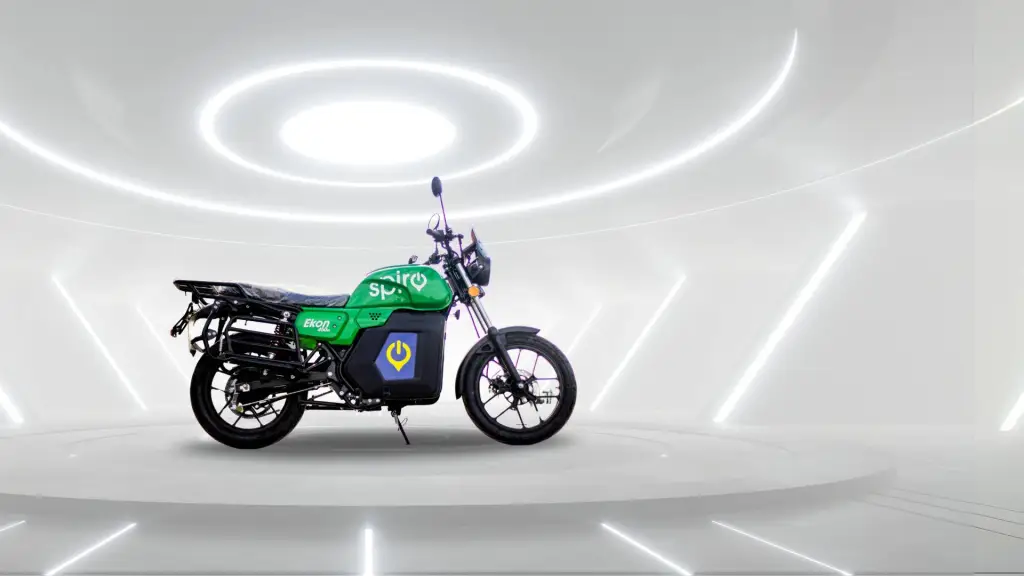
Kenya-based mobility company Spiro, widely recognized as a pioneer in electric two-wheel transportation and battery-swapping technology, has raised US$100 million to scale its mission of delivering affordable, accessible, and clean mobility solutions across Africa. The investment marks one of the largest funding rounds in the continent’s electric mobility sector and reinforces Spiro’s position as a leader in sustainable urban transport.
Spiro currently stands as Africa’s largest electric mobility operator, running the continent’s most expansive and rapidly growing network of battery-swapping stations for electric motorcycles. The company has deployed over 60,000 electric bikes, established more than 1,200 battery-swap locations, and facilitated over 26 million swaps, enabling riders to travel more than 800 million kilometres with dramatically reduced carbon emissions. By replacing costly, fossil-fuel-powered motorcycles with clean and budget-friendly alternatives, Spiro is reshaping the landscape of everyday mobility.
The company manufactures and assembles electric vehicles through its regional production hubs in Kenya, Uganda, Nigeria, and Rwanda, embracing its vision of creating vehicles “made in Africa, by Africans, for Africa.” This localized production strategy supports job creation, regional supply chains, and long-term industrial growth.
The new US$100 million round includes US$75 million from The Fund for Export Development in Africa (FEDA), the impact investment arm of the African Export-Import Bank (Afreximbank). The capital will support Spiro’s expansion of its advanced battery-swapping infrastructure, strengthen its technology platforms, and help the company penetrate additional markets. Spiro aims to surpass 100,000 deployed electric vehicles by the end of 2025, cementing its leadership and ranking among the top global battery-swapping operators.
“Spiro is at the center of a major shift in African mobility,” said Kaushik Burman, CEO of Spiro. “Across the continent, riders are moving away from fuel-powered motorcycles and adopting our battery-swapping model because it is cheaper, more efficient, and more profitable. This investment signifies our shared ambition to build a truly pan-African, sustainable mobility network.”
Professor Benedict Oramah, president of Afreximbank and chairman of its board, highlighted the strategic importance of the partnership:
“Our investment demonstrates Afreximbank’s commitment to developing a competitive, sustainable mobility ecosystem in Africa. Together with Spiro, we are supporting local vehicle manufacturing, deepening regional trade, and reducing dependence on imported second-hand vehicles — all while creating quality jobs and advancing industrialization across the continent.”
